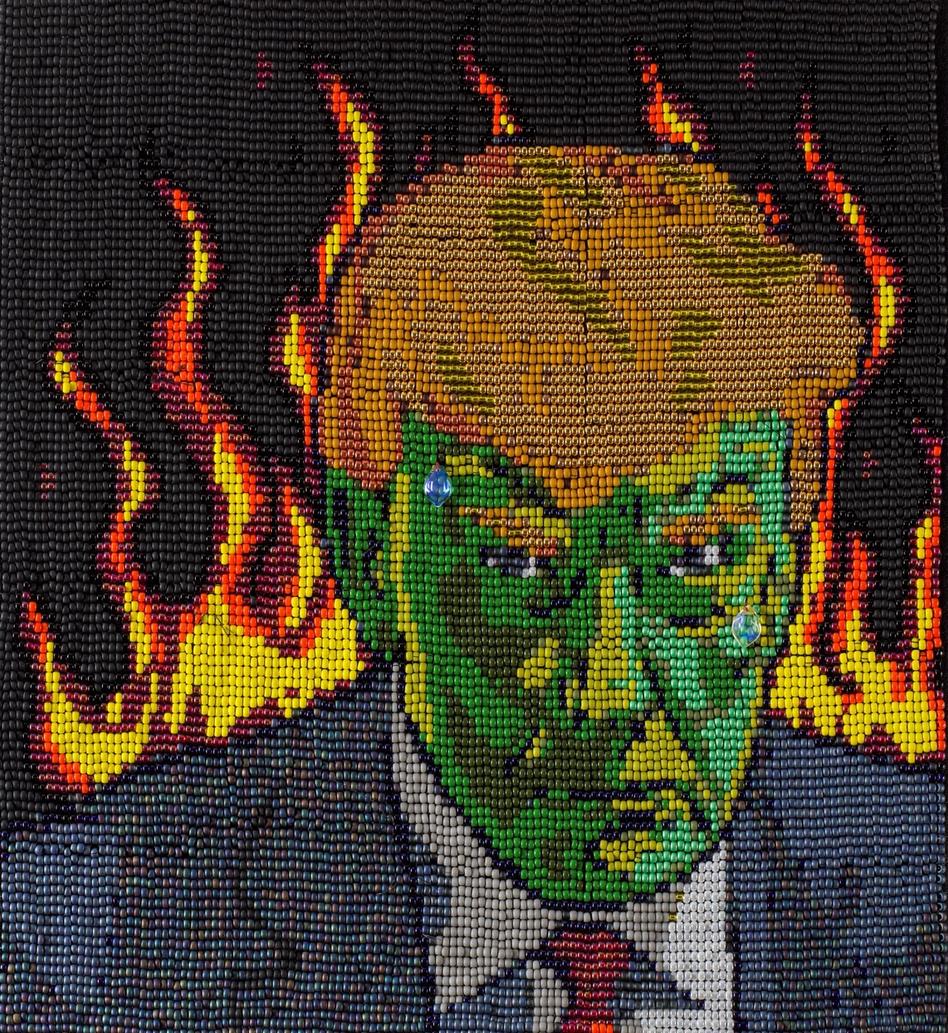

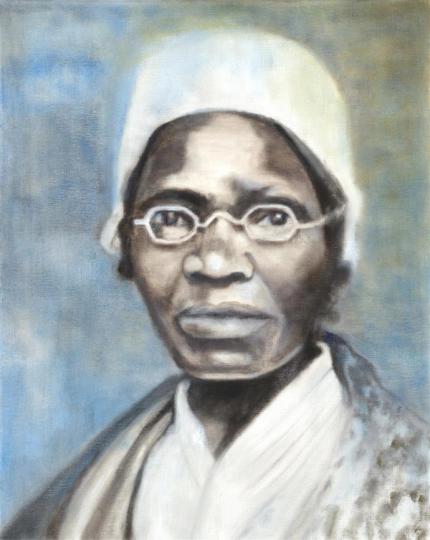

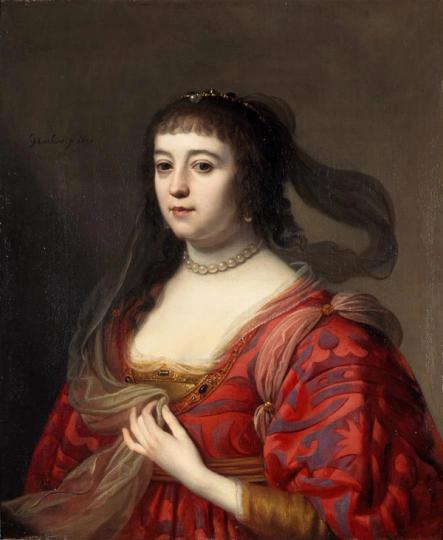
Kaersenhout vs. Merian
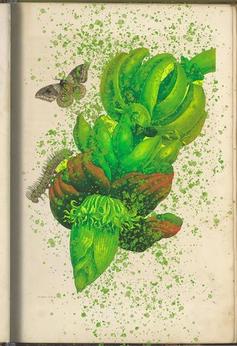
In her prints, Kaersenhout reproduces Merian’s botanical drawing.
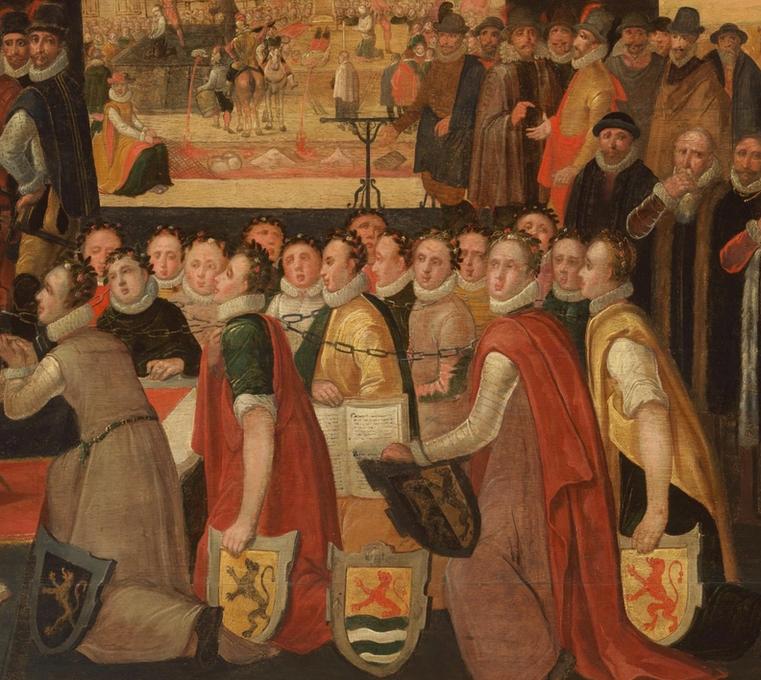
These shackled women represent the Netherlands as a victim of Spanish oppression. But this image of victimhood persisted even as the Republic itself increasingly resorted to violence.
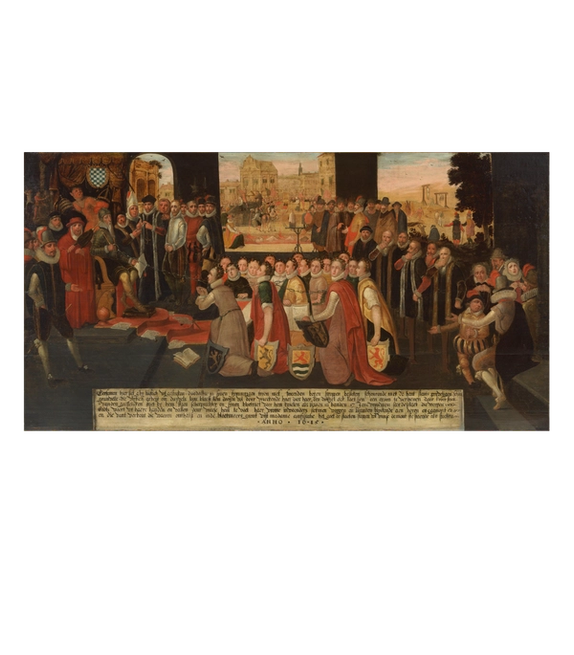
This is the entire picture. What is happening in it?
Around 1566, Protestants in the Netherlands revolted against their Spanish Catholic ruler, Philip II. He responded forcefully, sending the Duke of Alba to the Netherlands to crush the rebellion. Many people were killed in the process.
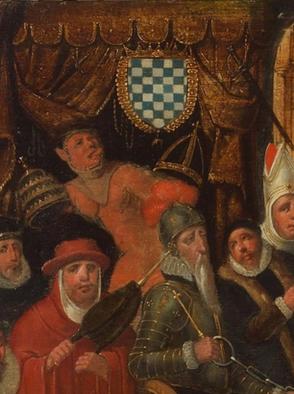
Rebels responded with violence and propaganda, often in the form of images. In these, they are the victims and their enemies are bloodthirsty monsters. This painting fits that trend.
The seated man with the beard is Alva.
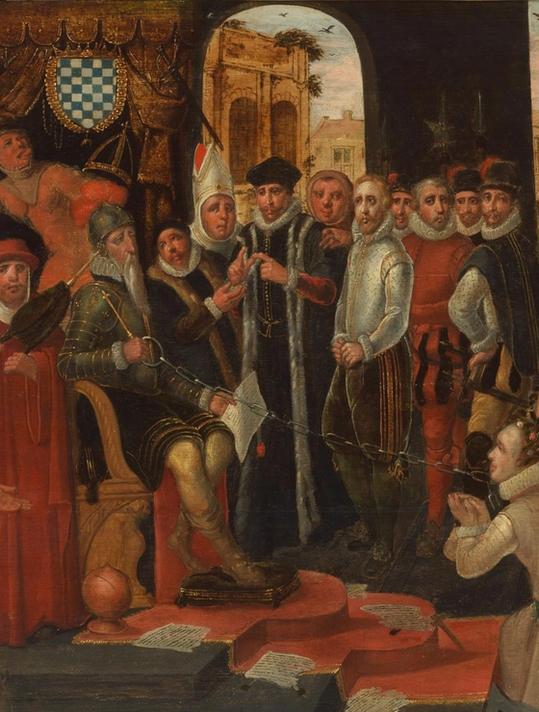
He keeps the Netherlands captivated.
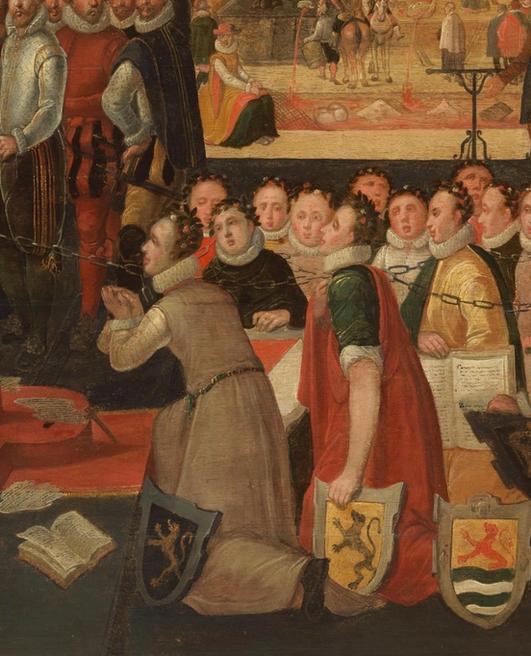
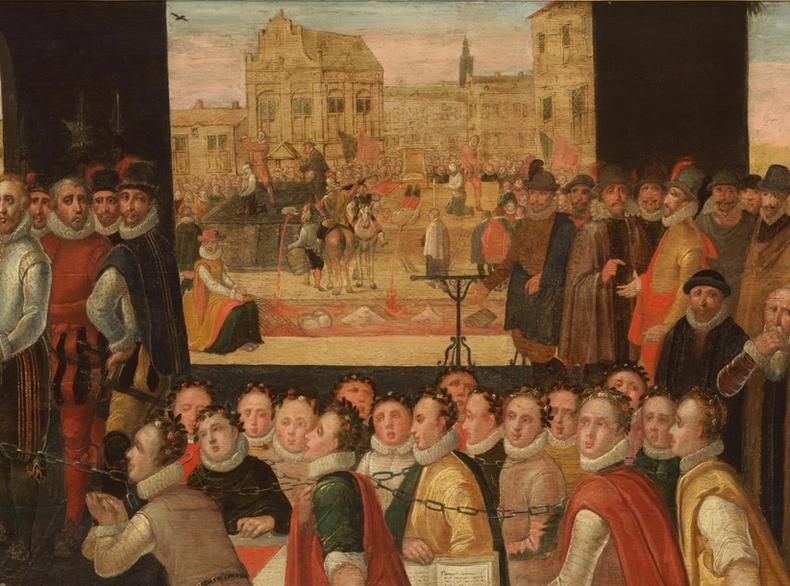
In the background, the blood of his victims flows.
The devil lurks behind Alva, making it abundantly clear just how evil the duke is. The man with the bellows blows wicked thoughts into Alva's mind.

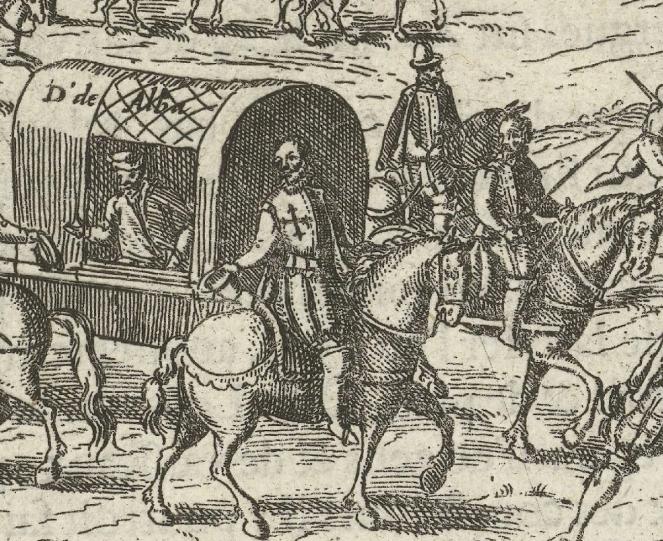
... and then the northern Netherlands gradually broke away from Philip II.


...became a new country around 1588. With its own army, which fights a lot.
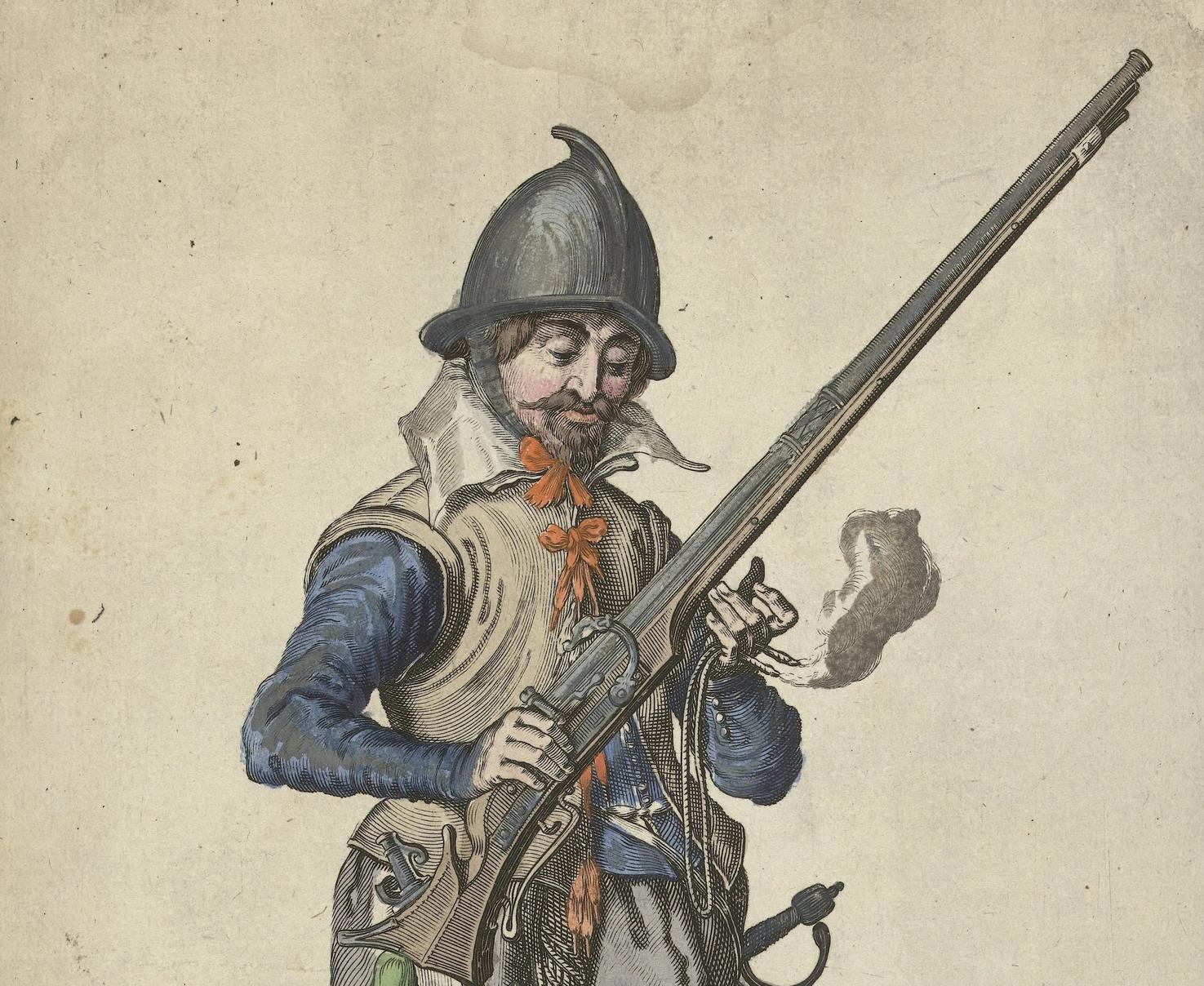
...achieved many military victories and became a significant power.
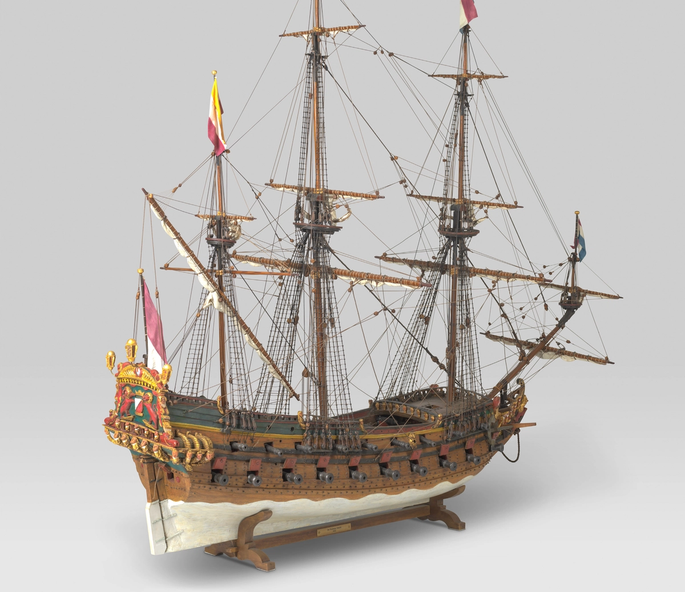
...a company with cannons and military support from the country's government.
By around 1588, the revolt against Philip II had developed into a war against Spain. It was fought partly here and partly overseas. Ships bristling with cannon sailed the oceans to gain a foothold in Asia and, later, the Americas, where riches were there for the taking. The Spanish and Portuguese, who had settled there earlier, had reason to fear the Dutch cannon. The indigenous population also came under fire.
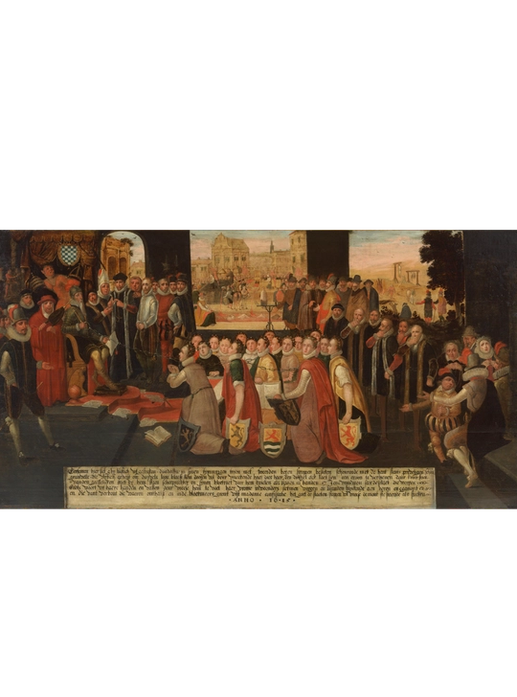
The Republic was becoming powerful and quite aggressive. Yet the victimhood propaganda from the time of Philip II persistsed. This painting, for example, dates from 1615, more than forty years after the Duke of Alba's departure.

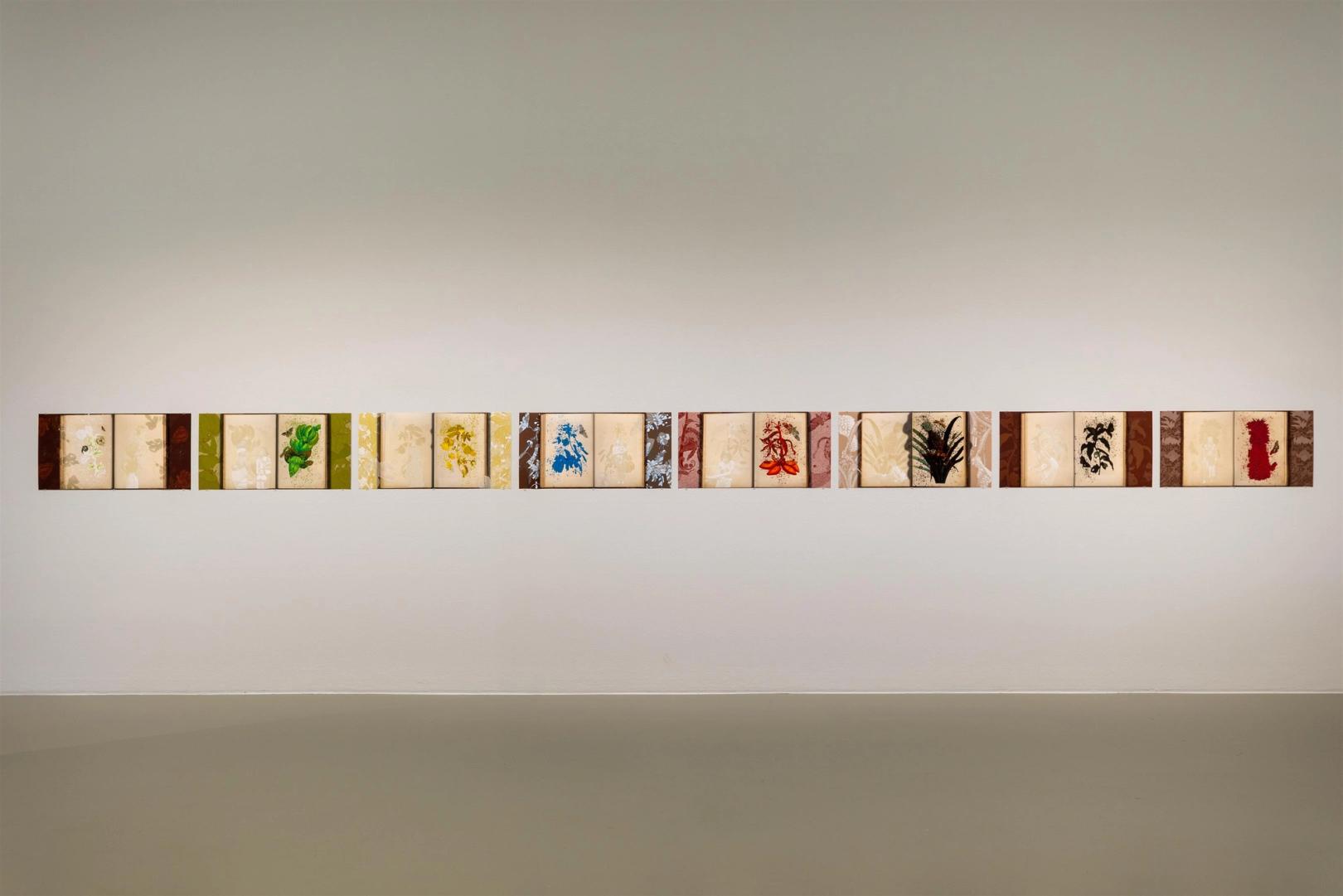
In the 17th century, Dutch settlers established themselves in the Caribbean and South America, among other places. Local populations and enslaved people were subjected to Dutch oppression and violence.
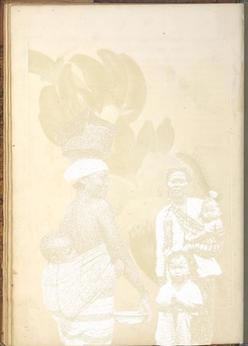
Centuries later, artist Patricia Kaersenhout reflects on this colonial history. In her print series Of Palimpsests and Erasure, she draws attention to people who have been overlooked in historical accounts.
In 1705, German-Dutch naturalist Maria Sibylla Merian published a book about Surinamese insects and plants. During her research, she learned a great deal from local and enslaved women. But their contribution remained largely invisible.
In our time, Patricia Kaersenhout compares the situation to a palimpsest, a reused piece of parchment whose original text has become almost invisible after being written over. She brings the hidden layer to the surface and gives the women a face.
In her prints, Kaersenhout reproduces Merian’s botanical drawing.
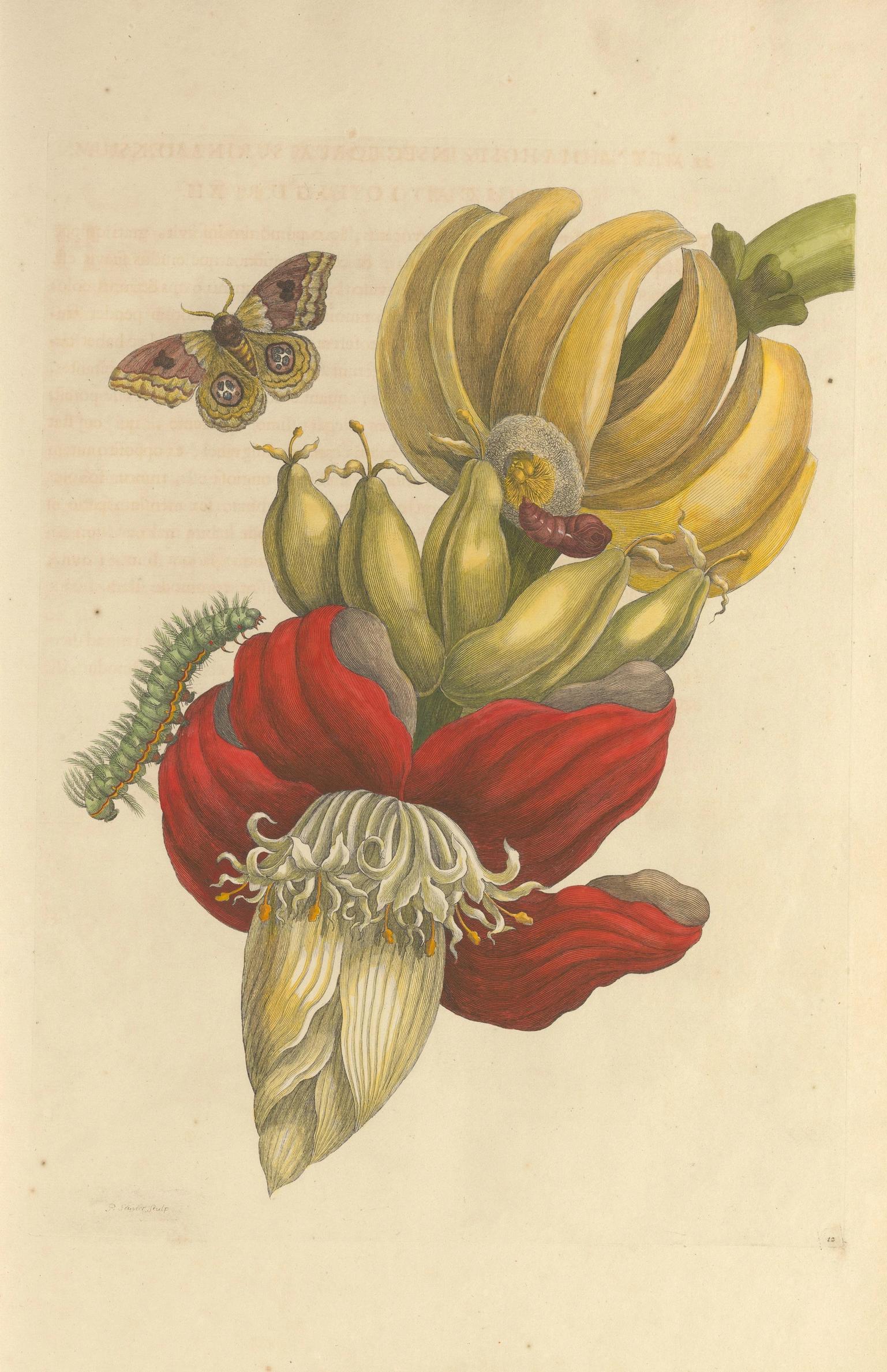
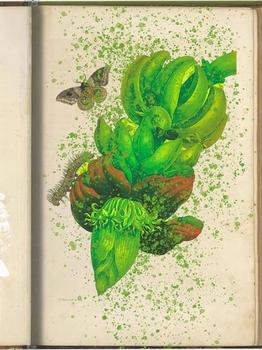
And then put the Surinamese women in front of the plant.
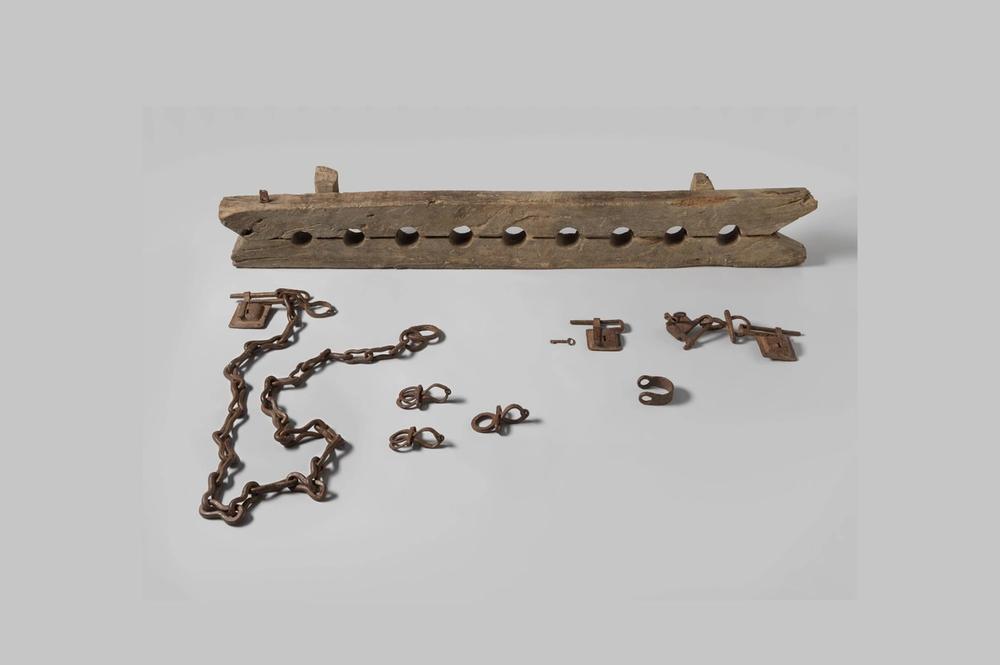
In 1615, the Republic's propaganda machine compared the Netherlands to women in chains, portraying them as victims of Philip II and Alva.
Not long afterwards, merchants from that same Republic ship enslaved people in chains to other continents, where plantation owners treat them as property.


