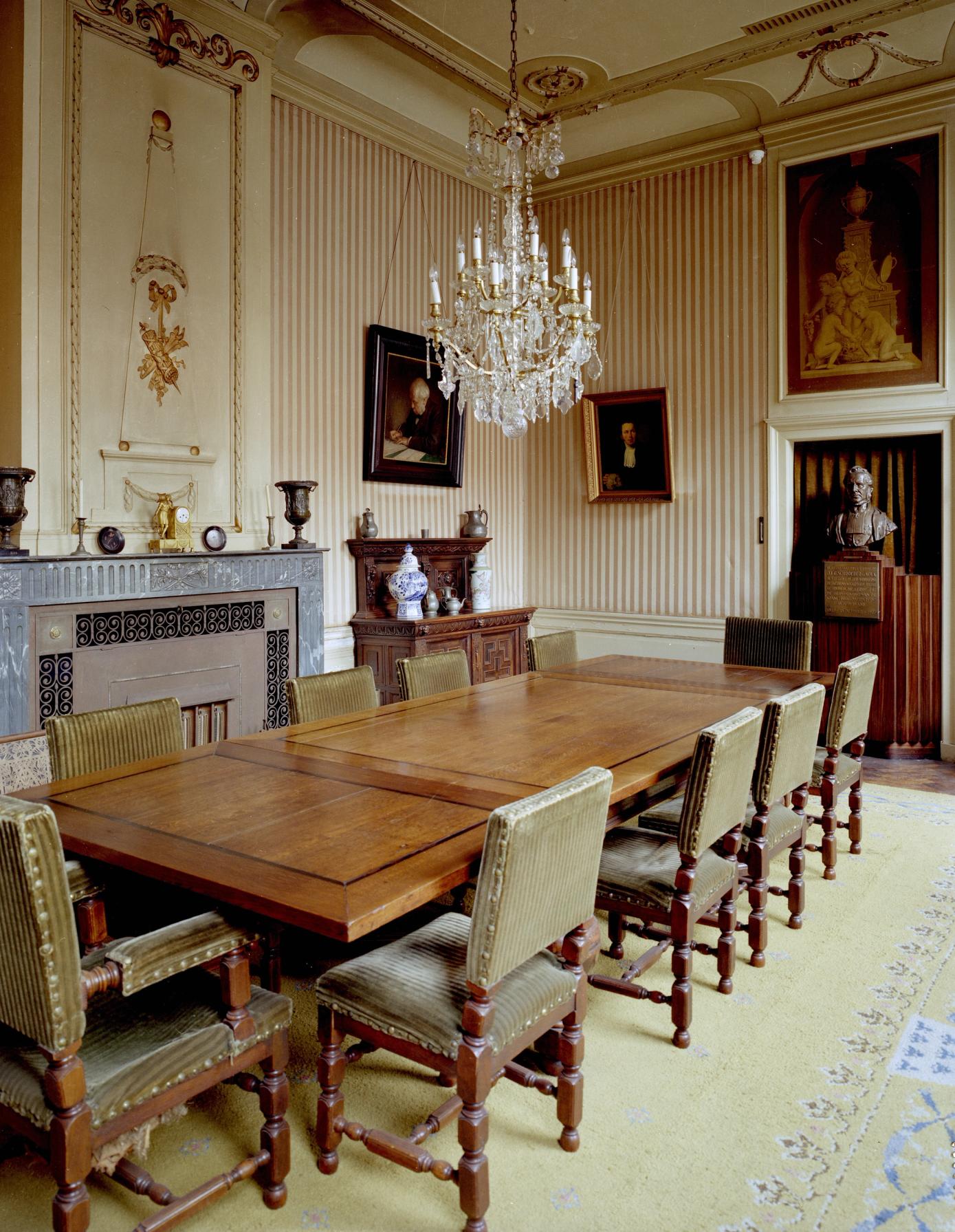
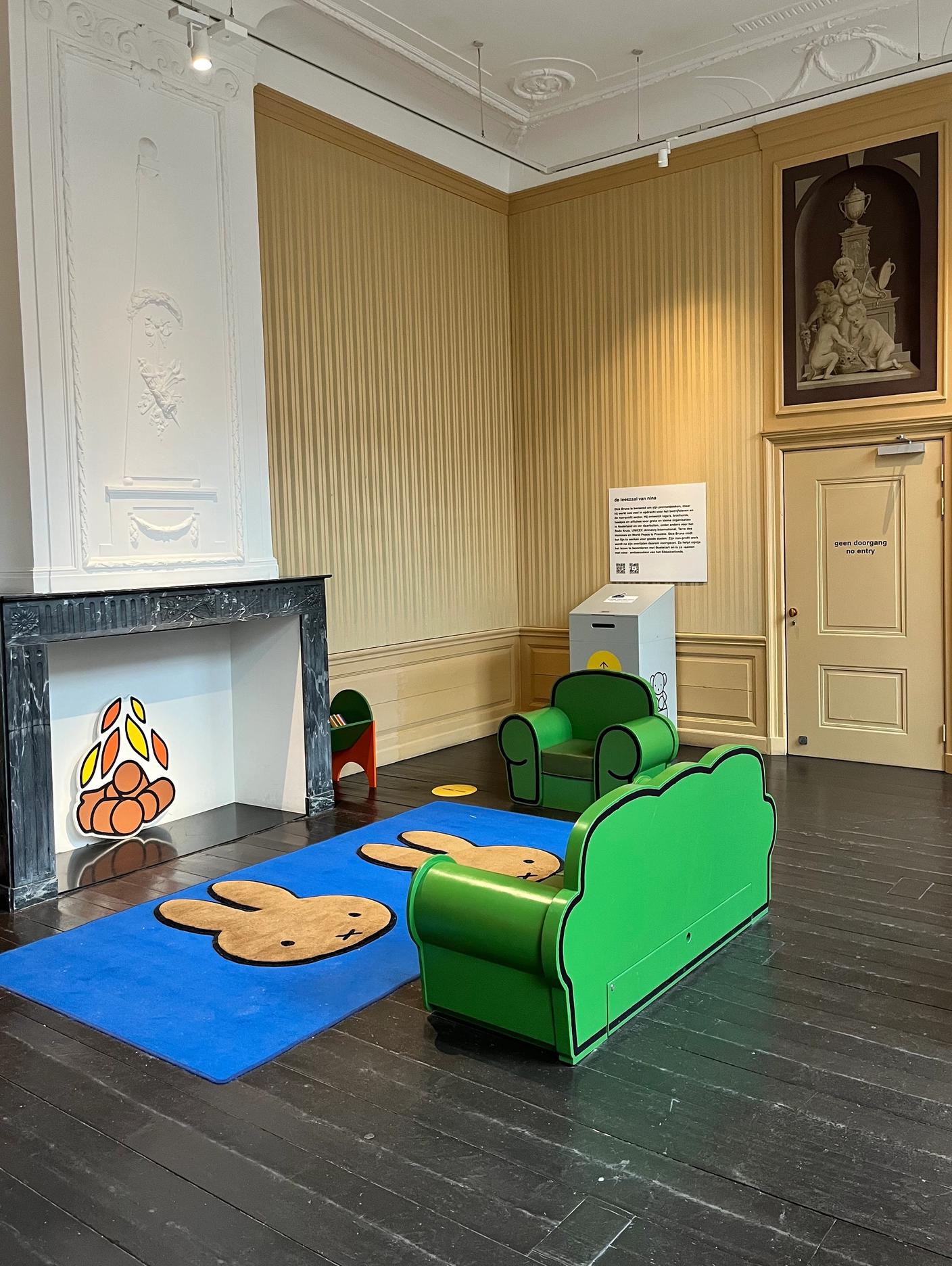
Regents' Room
Because of this history, some parts of the building have listed status, such as the former boardroom.

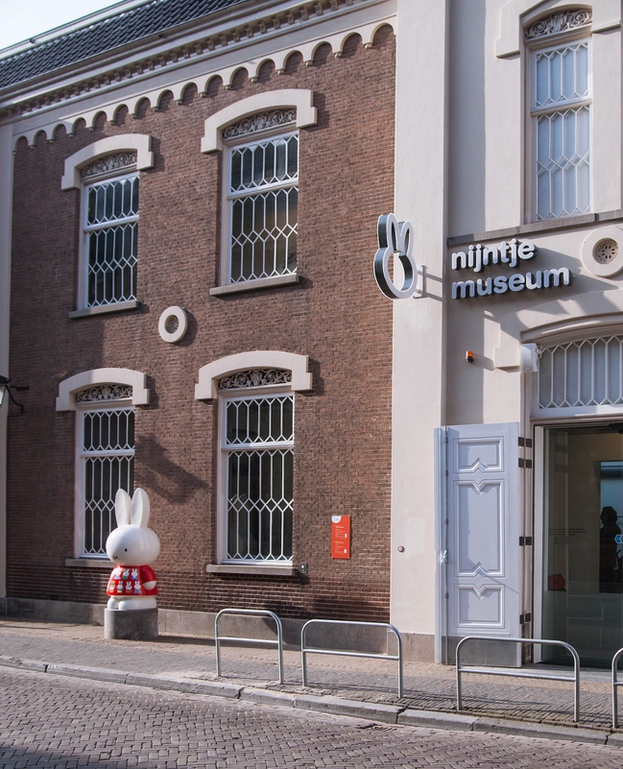
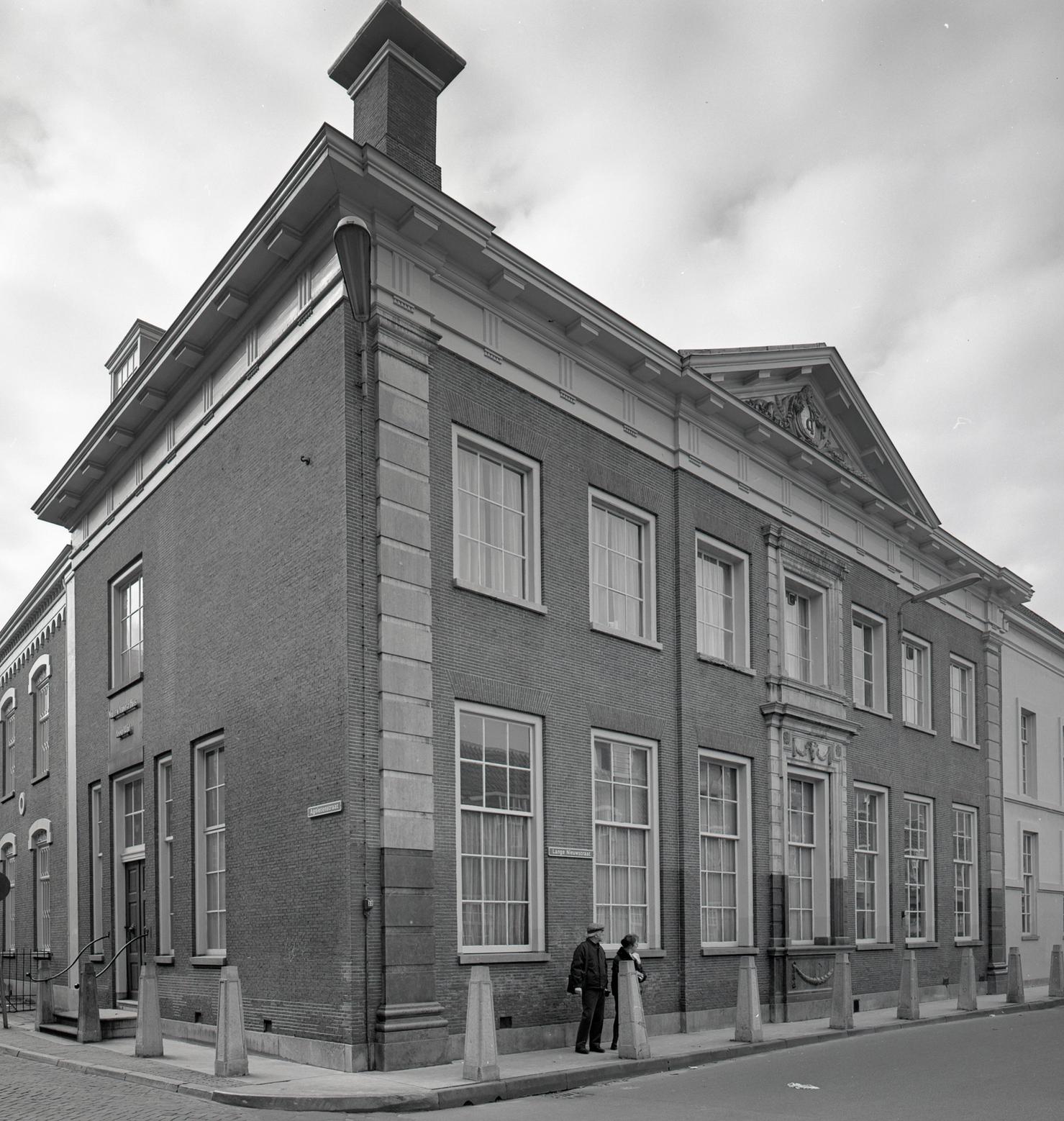
The Miffy Museum is located at Agnietenstraat 2 in Utrecht. But that wasn't always the case... Do you know the history behind the building?

Mental institution
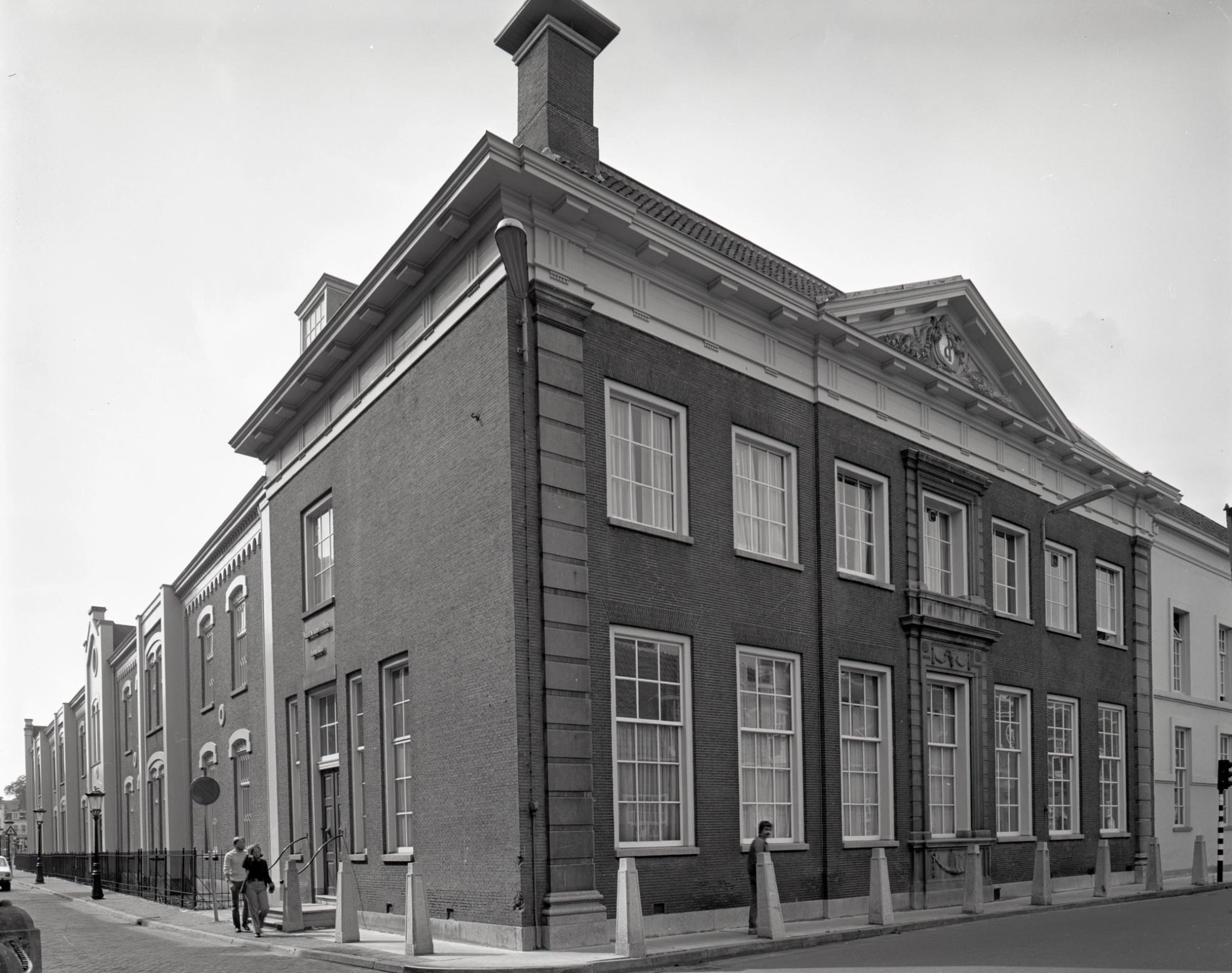
The building, named after Willem Arntsz, was built in 1798 as a 'Dolhuis': an institution for people with mental health problems.
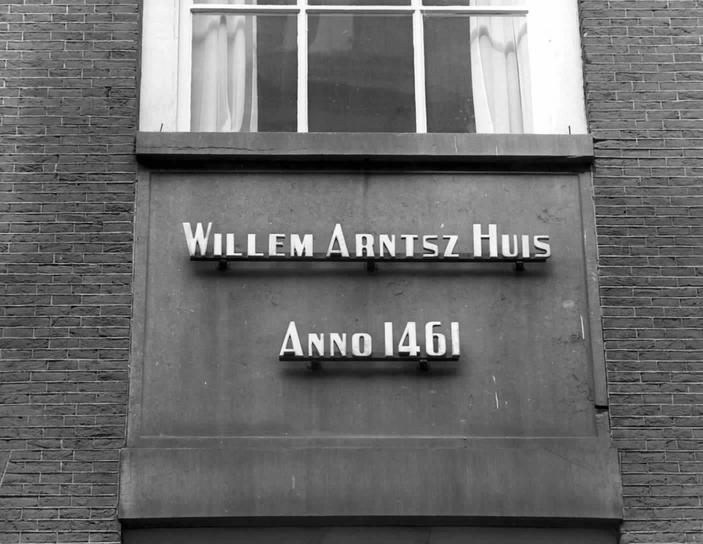
Upon his death, the wealthy 15th-century Utrecht alderman Willem Arntsz left money for the construction of the predecessor to this mental institution.

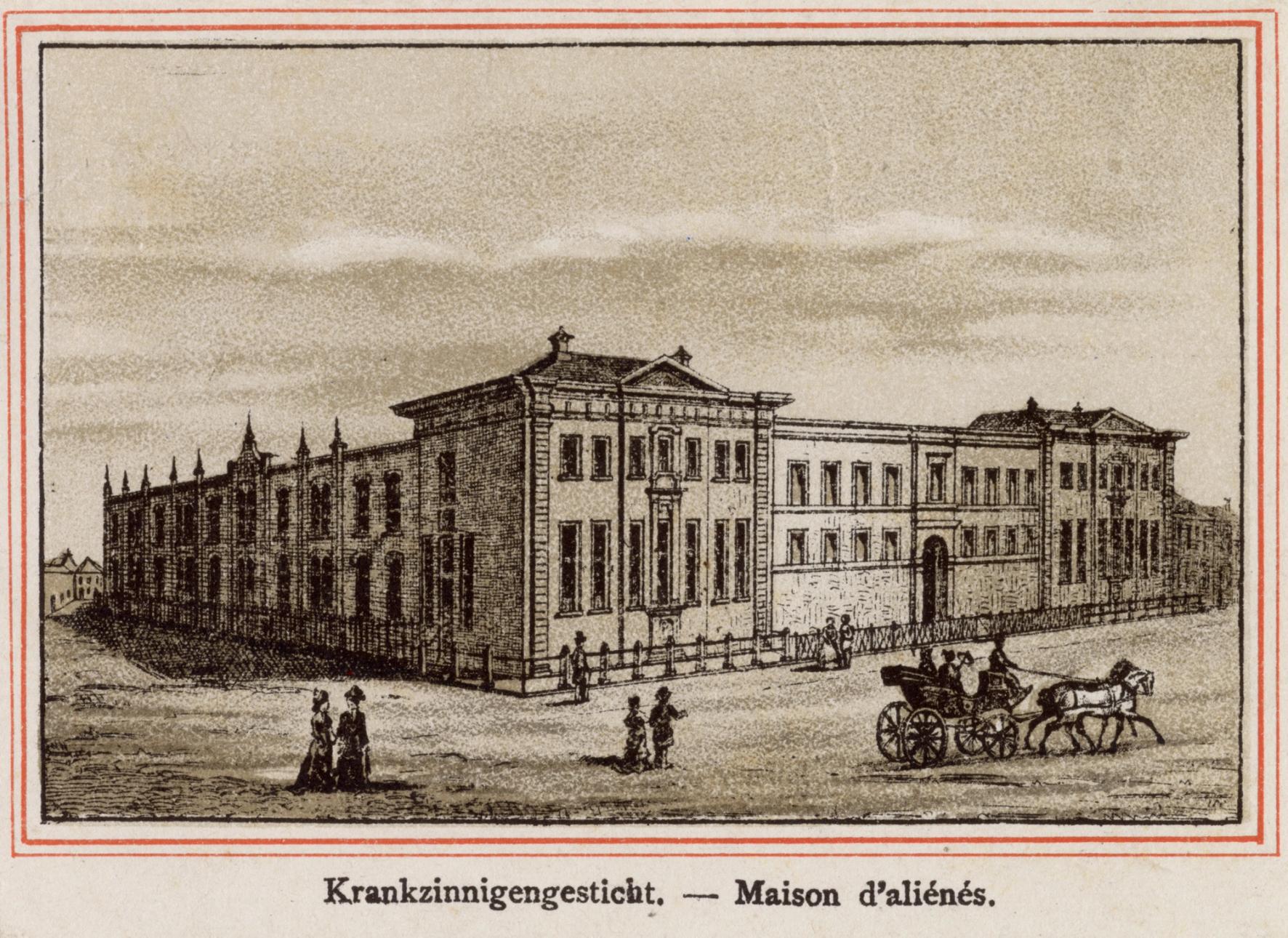
On top of that, they were beaten, mocked, chained up, and even put on public display.
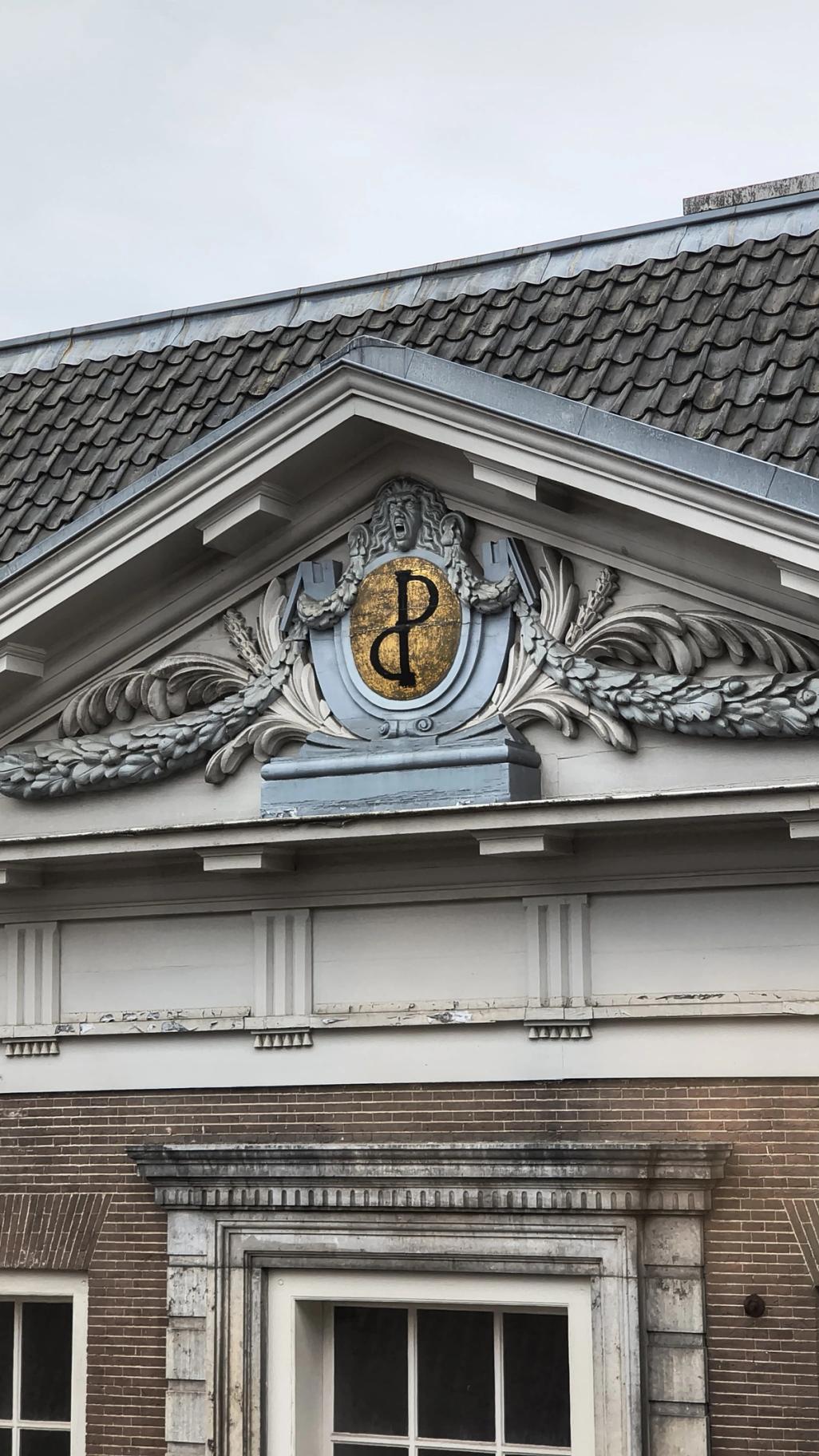
The decoration featuring handcuffs and a 'madman's head' (1791) still recalls this past.

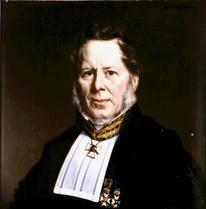
In 1927, a new director brought change. As a professor and psychologist, Schroeder van der Kolck saw the residents not as 'lunatics', but as patients.
He bans corporal punishment and has the building renovated according to a design that is strikingly different for its time.


Because of this history, some parts of the building have listed status, such as the former boardroom.

This railing, too, was radically innovative for its time.
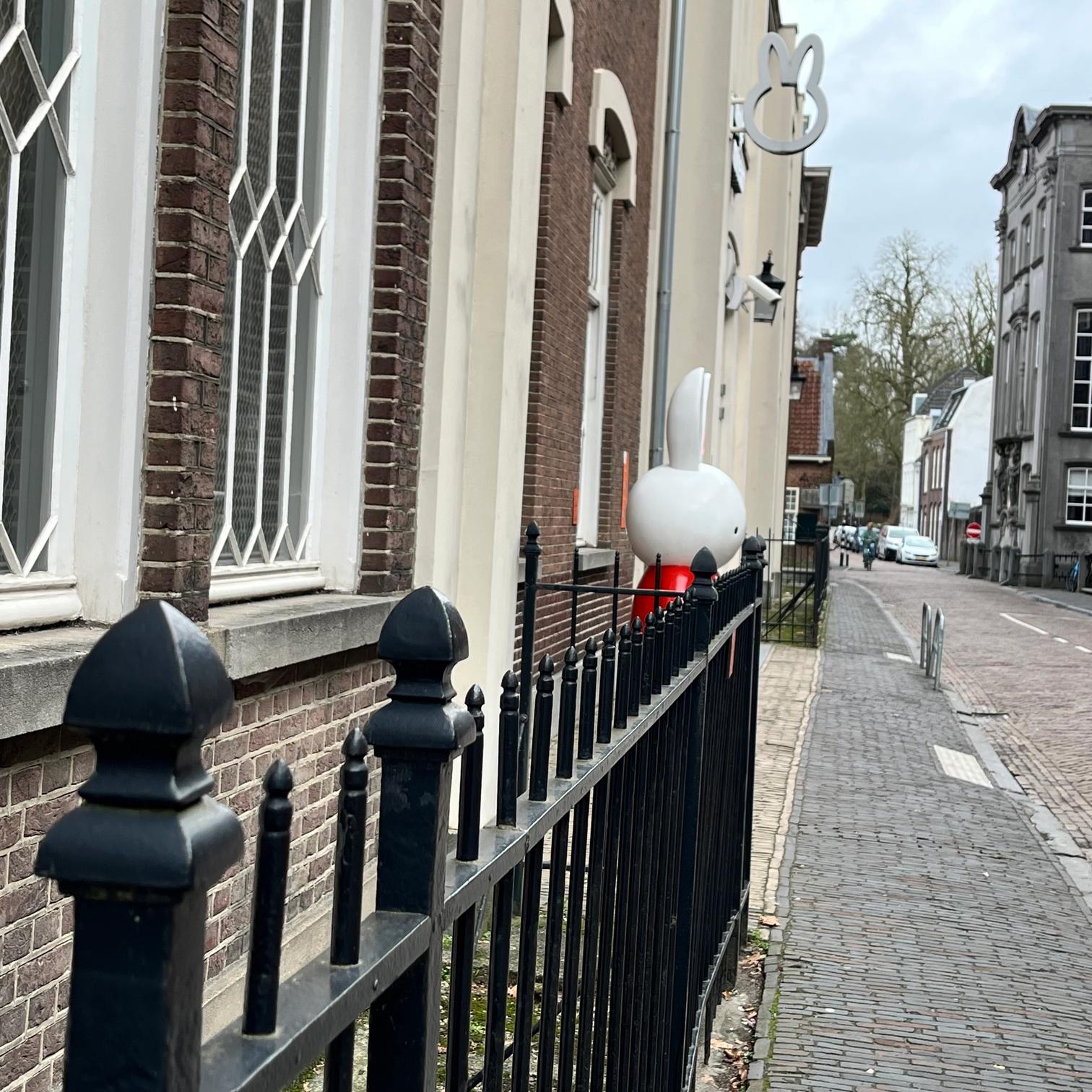
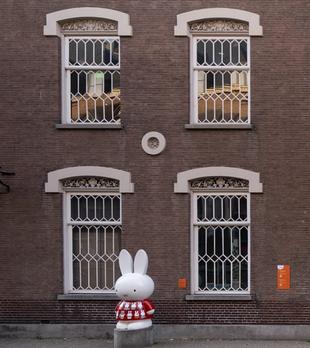
The long hallway on the street side was also remarkable for this period.

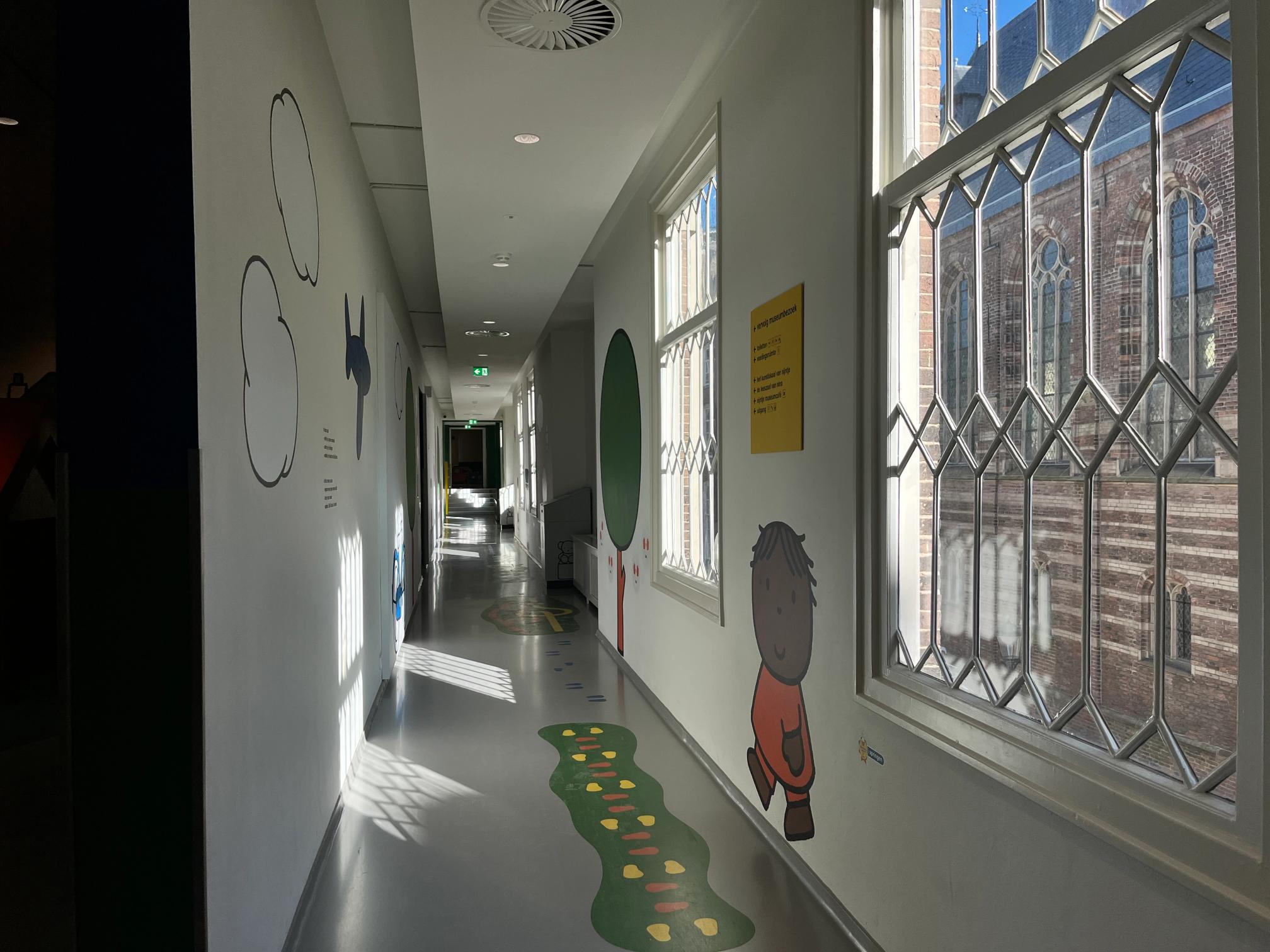
“All corporal punishment, such as beatings and the like, must be strictly prohibited...”


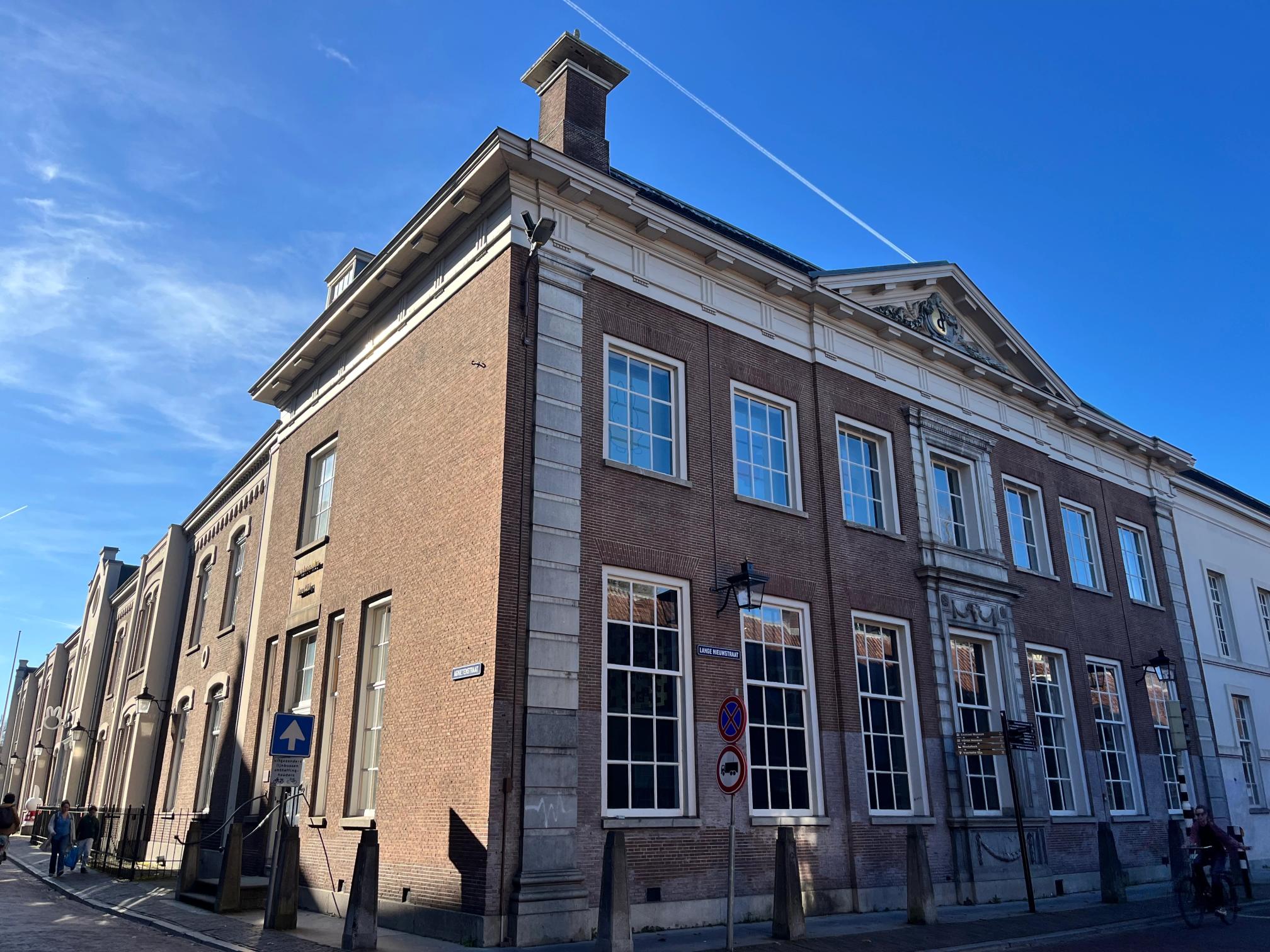
Schroeder van der Kolk developed the Willem Arntsz House into an influential institution for psychiatric care. He also advised the government on legislation in this field.

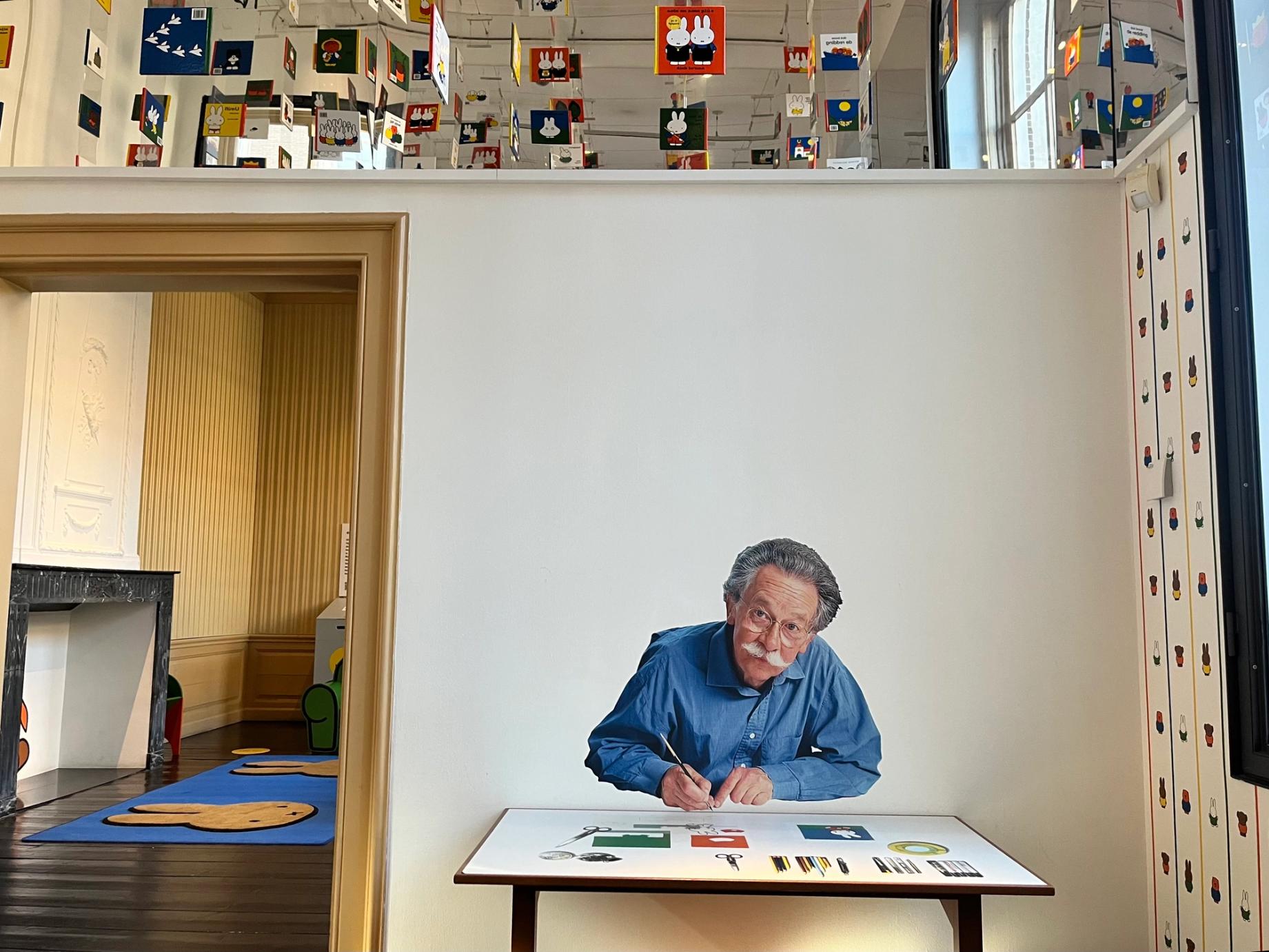
Since 2006, the Miffy Museum has been the new occupant of the Willem Arntsz House.
Anyone peeking inside today will see the cheerful colours and illustrations of Dick Bruna.