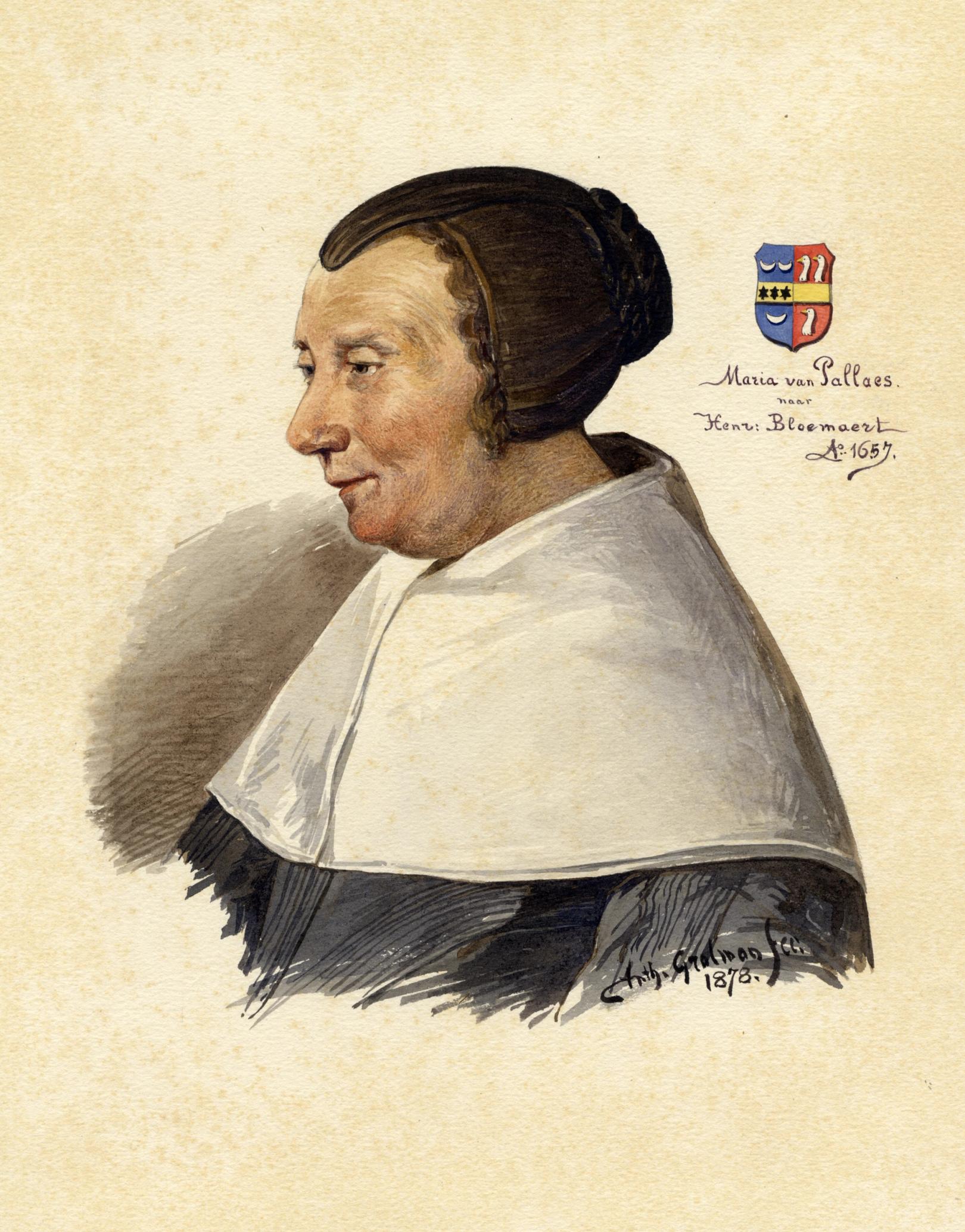
While many wealthy residents of Utrecht left their fortunes to their families, the wealthy and devout Maria van Pallaes (1587–1664) used her money to help others.

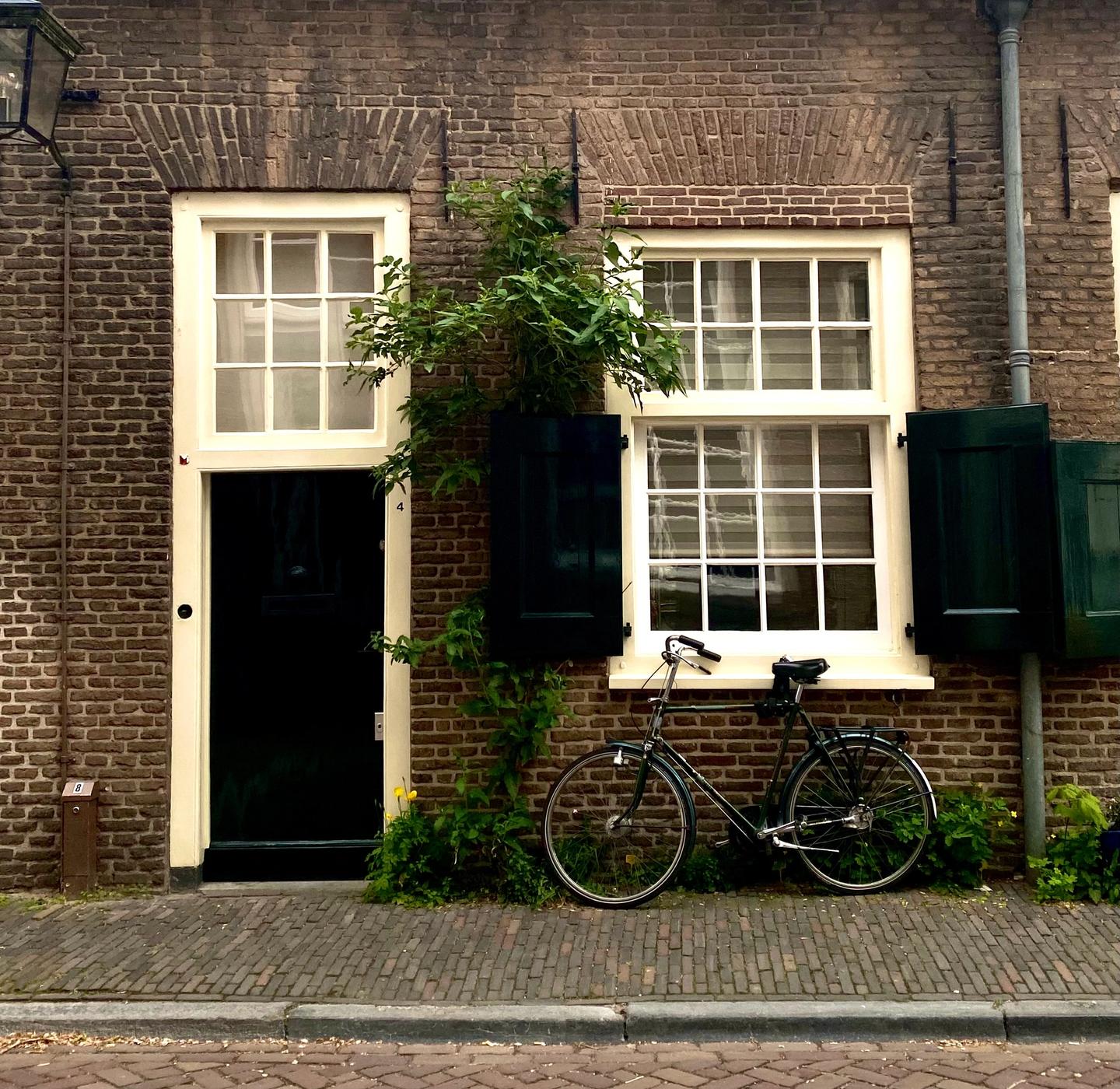
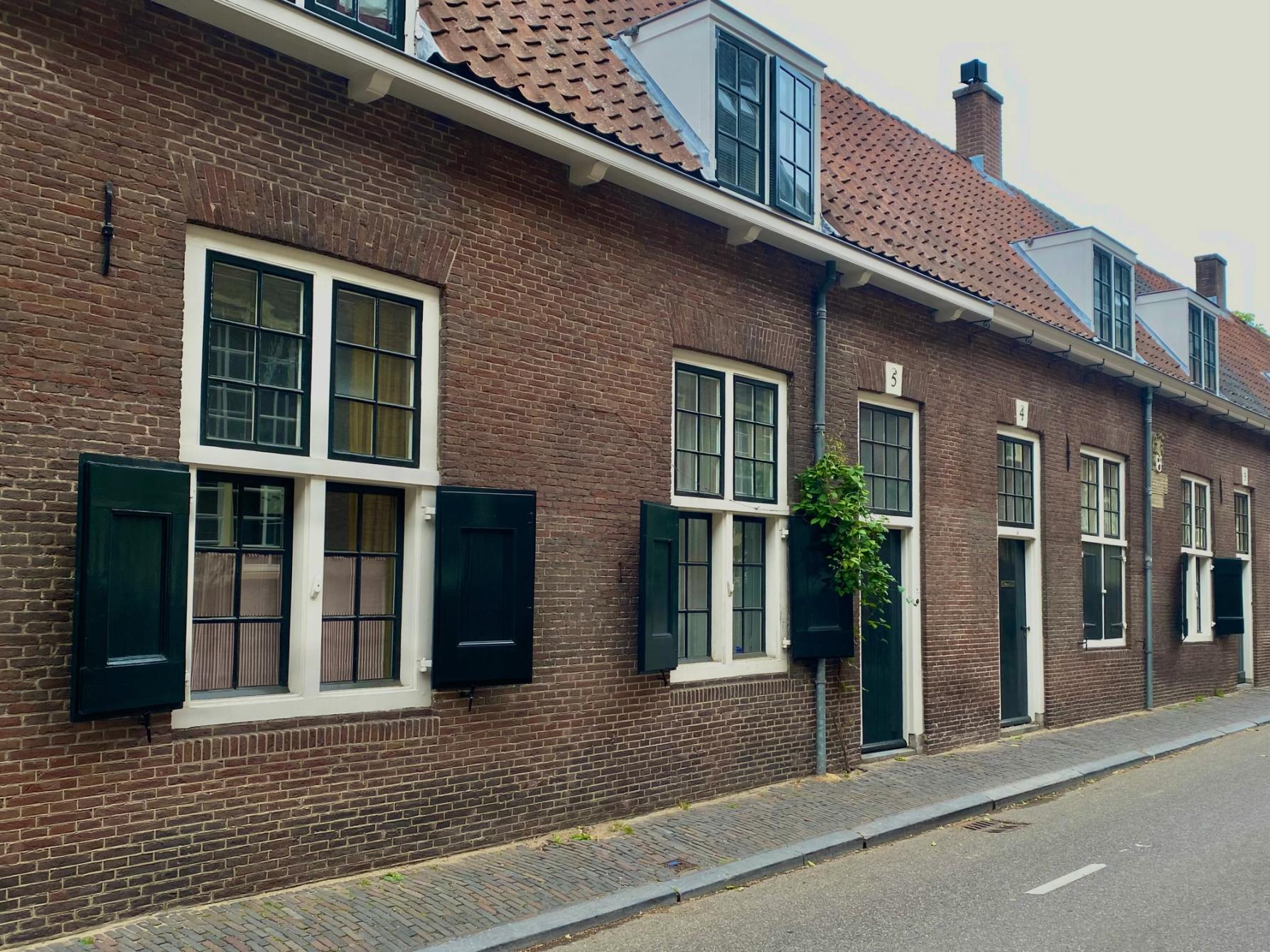
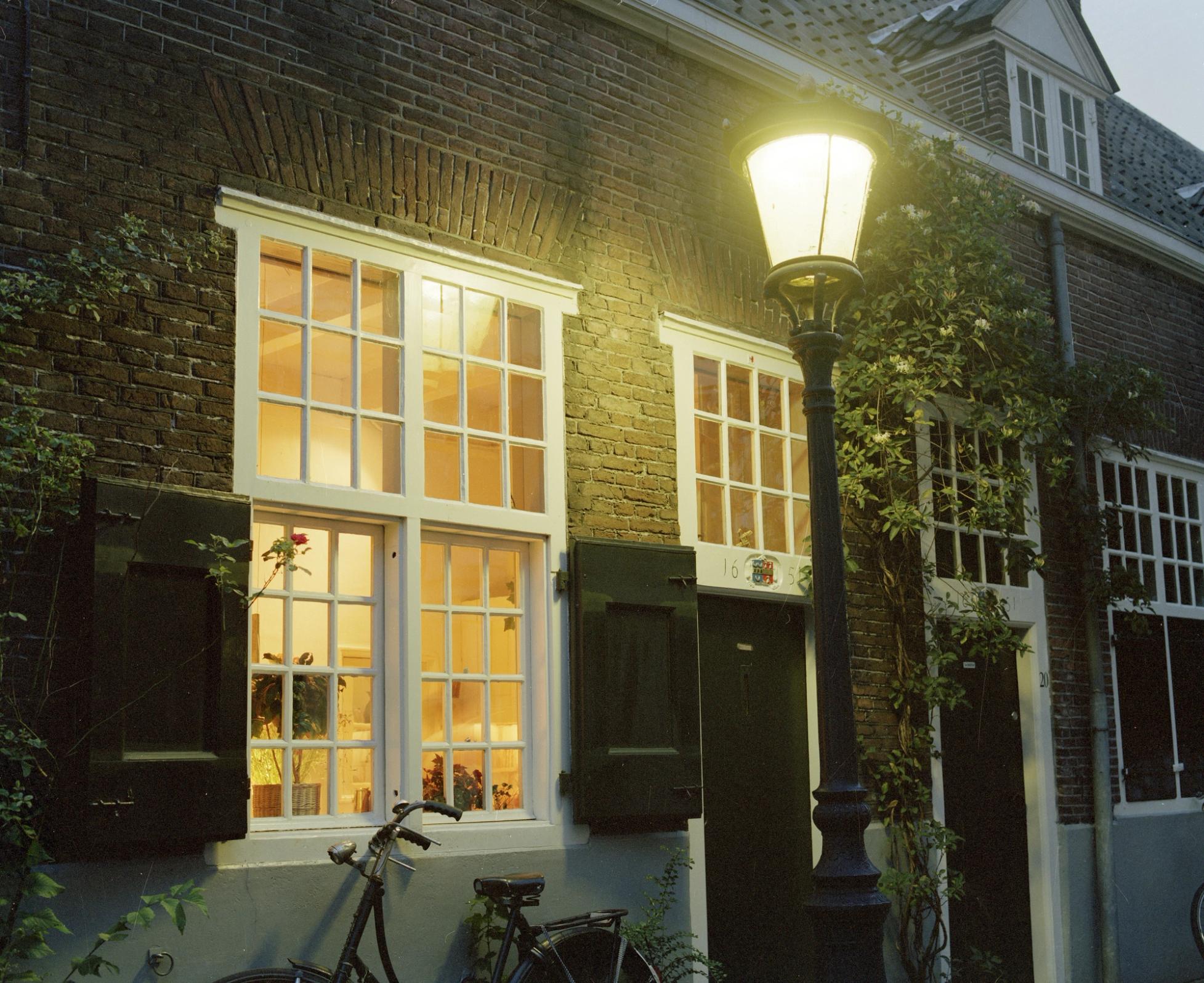
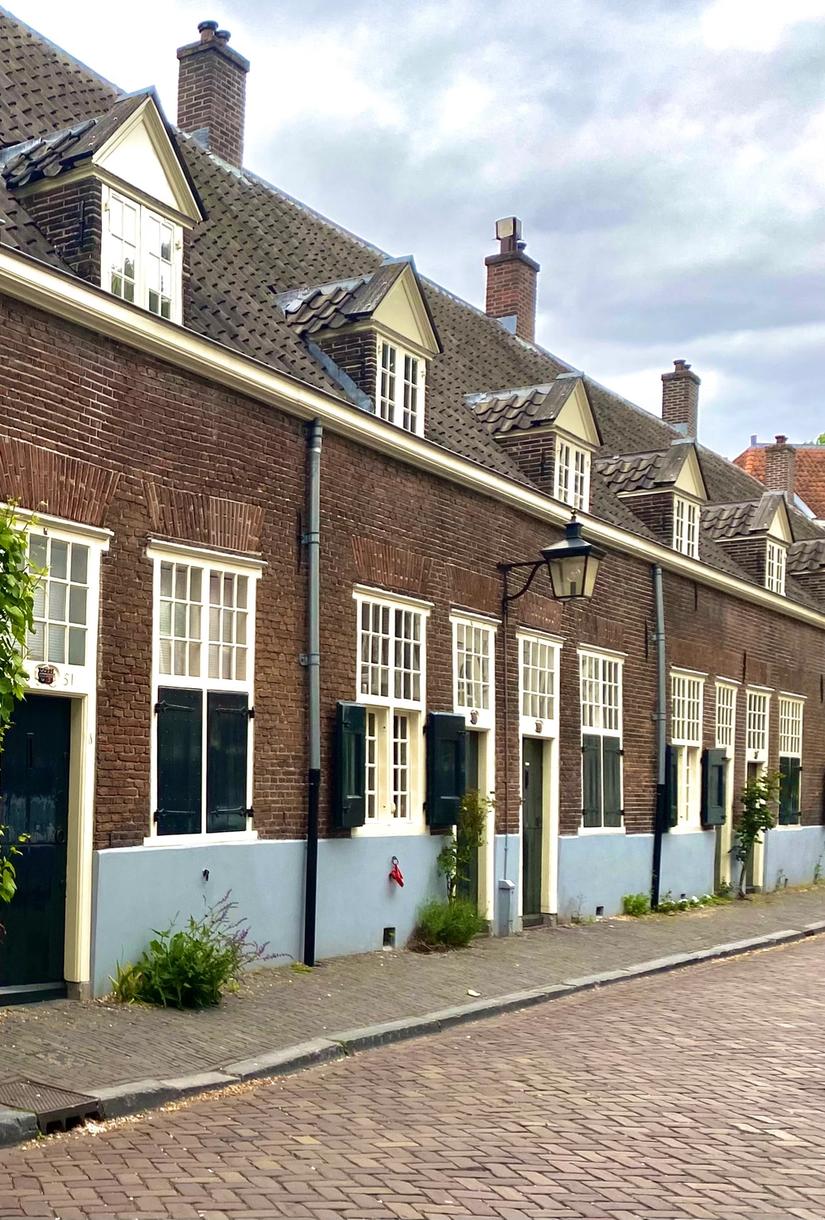
In the seventeenth century, Maria van Pallaes had twelve almshouses built diagonally opposite what is now the Centraal Museum (on Agnietenstraat). Poor residents of Utrecht could live here free of charge.

Through Maria van Pallaes’ foundation, poor citizens of Utrecht are not only given a roof over their heads, but also provided with food and fuel. Not because she had to, but because she believed it was important.

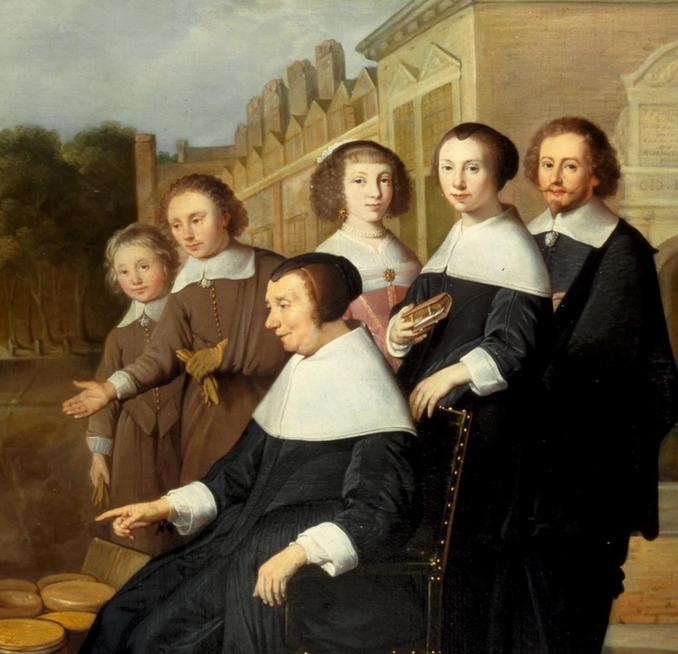
Maria van Pallaes points to the food on display, which is being distributed among Utrecht’s poor. Her children stand behind her. However, they died before she founded the almshouses, leaving Van Pallaes without heirs.

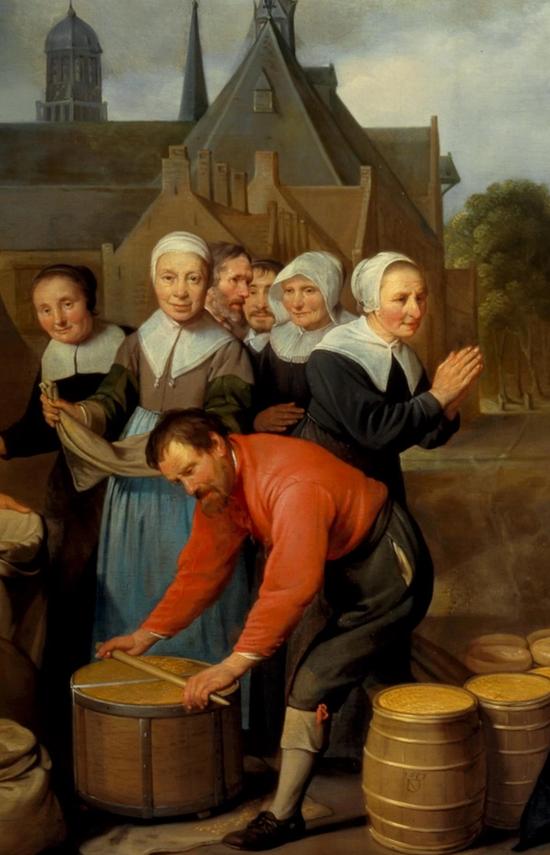
On the other side of the painting are the poor who receive aid. One of them thanks Van Pallaes with folded hands. This grateful gesture and the dignified posture of the others emphasize Van Pallaes' role as a noble citizen.
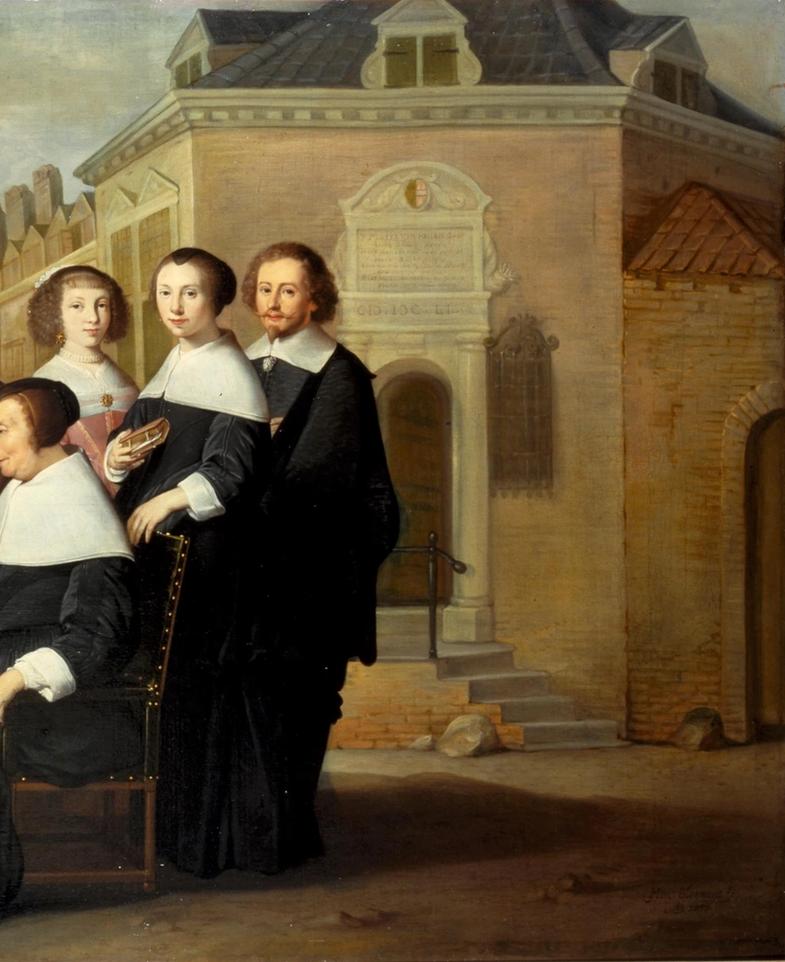
In the background, the almshouses and the old boardroom built at the behest of Maria van Pallaes are depicted.

Curator Geertje Dekkers on Maria van Pallaes and giving to the poor.
In this painting from 1657, you see Maria van Pallaes, a wealthy widow from Utrecht, handing out granes, butter, and money to the poor. Her children stand at her side, while the recipients are are on the left, more to the background. Distributing food to the needy was an act of charity. But not everyone received help: it was usually for "deserving" people rooted in the city.
Maria van Pallaes also build homes for poor families—and ensured they were managed by appointed regents. The painting originally hung in the regents’ house itself, as a constant reminder of their duty: to care for others.
In a time when war, as well as natural disasters such as disease, storms, illness, and poor harvests, were a constant threat, there was a need for social protection.. This painting reflects fear of scarcity after natural disasters and things of that nature—and the ways people tried to maintain control. Maria’s good deeds were a direct response to a world full of uncertainty.
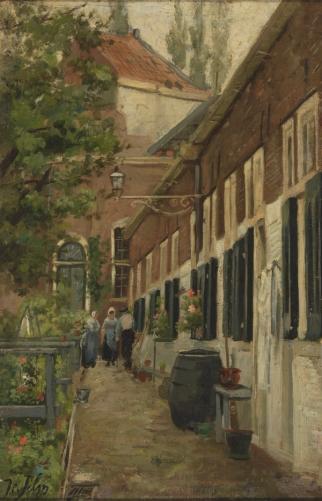
Did you know that you can still find some of the houses Maria van Pallaes funded on the north side of Agnietenstraat? When you exit the museum, it’s a short walk to your right, on the other side of the street.

Maria van Pallaes was not the only benefactor of her time. In Utrecht’s city centre, you can still find historic almshouses, such as those on Lange Nieuwstraat, Nicolaasdwarsstraat and Springweg.
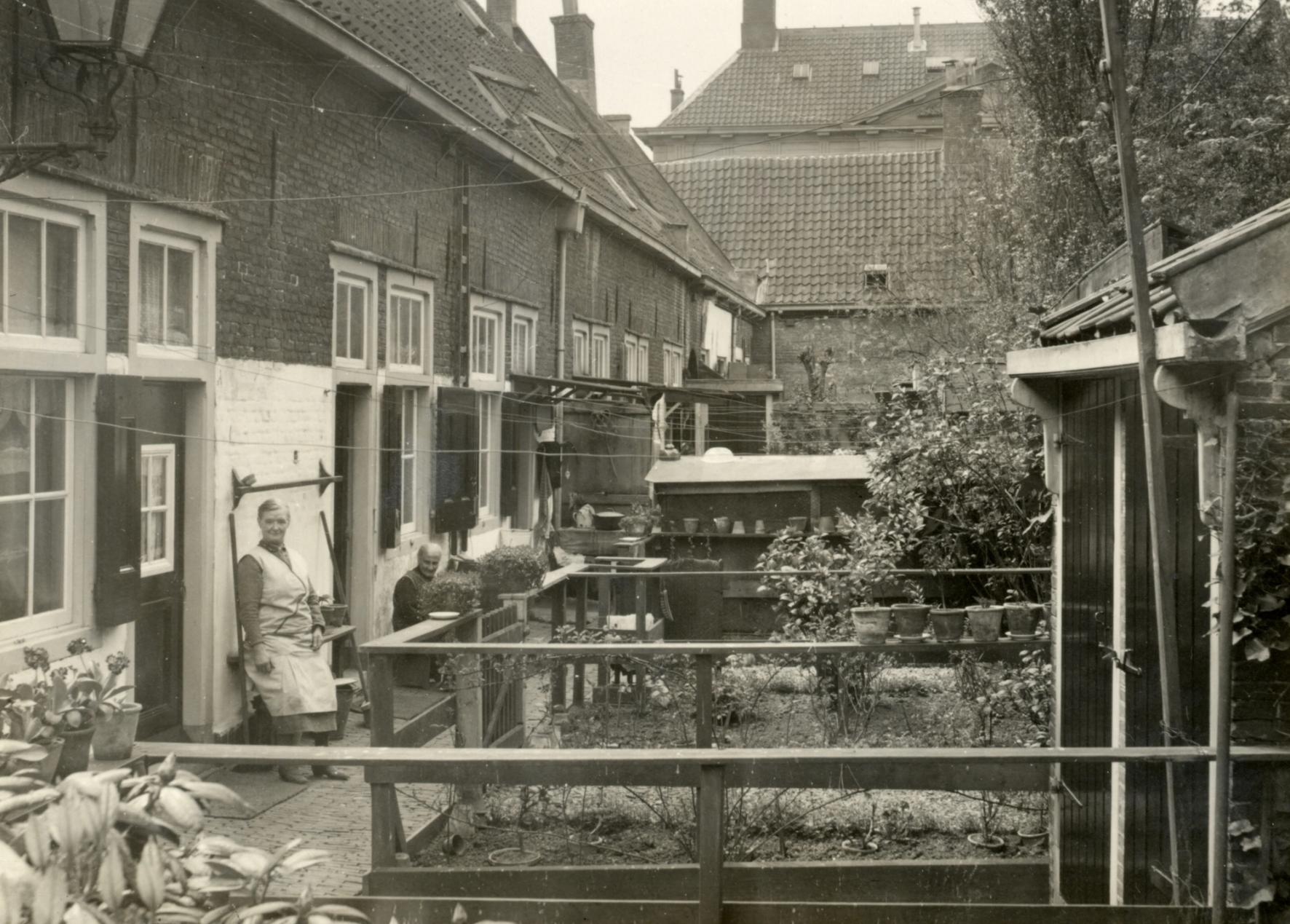
Maria van Pallaes’ twelve almshouses are arranged around a shared courtyard with gardens.


The twelve almshouses remain important to Utrecht. Not only do they offer a charming glimpse into the city’s history, they are also still highly sought-after rental homes.
Take 'Knarrenhof' communities, for example, where older people live independently while still being close to others. Or student houses, where cooking and hanging out together is to connect.


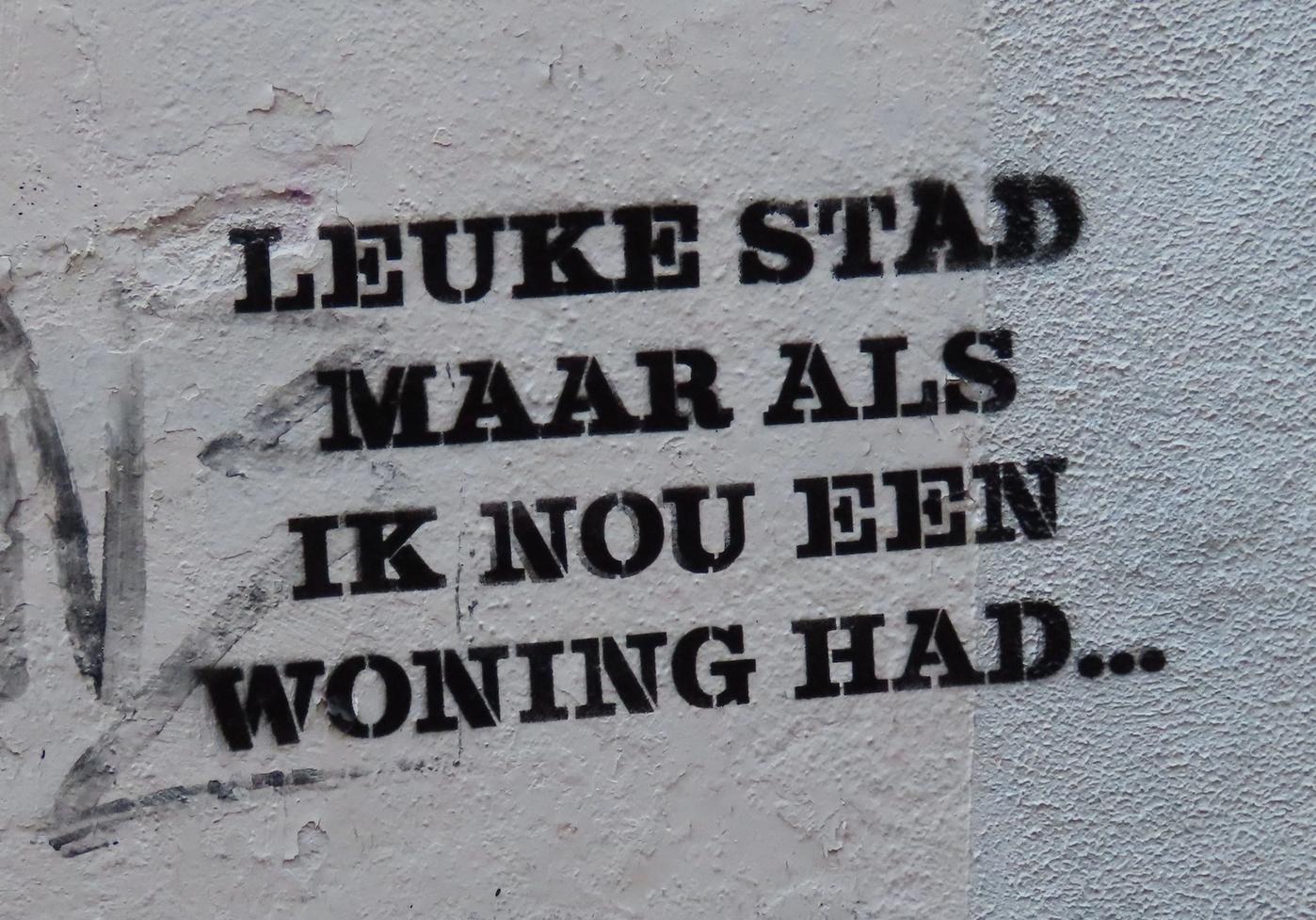
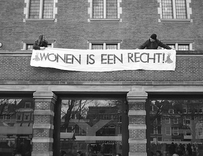
These days, housing is expensive, and it seems as though we care less and less about one another.
The housing crisis raises a question: who is a city really for?