As women demanded more rights, their clothing changed too. It increasingly allowed for greater freedom of movement, visibility and self-expression.

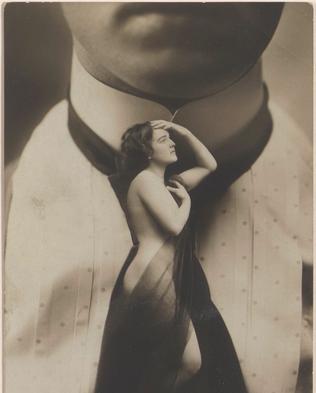
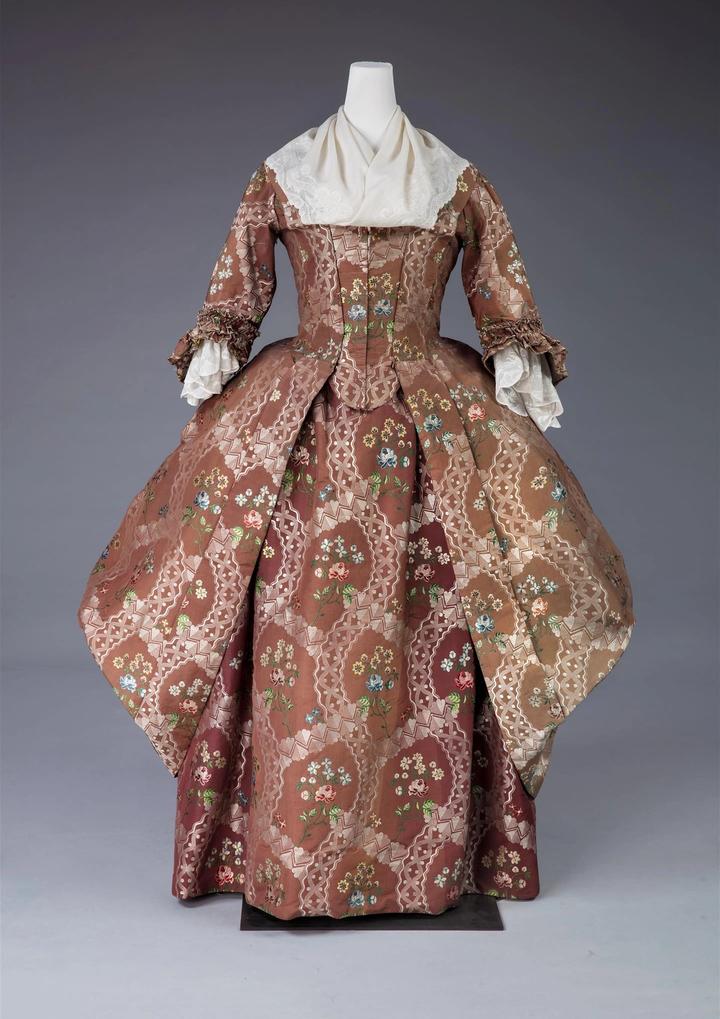
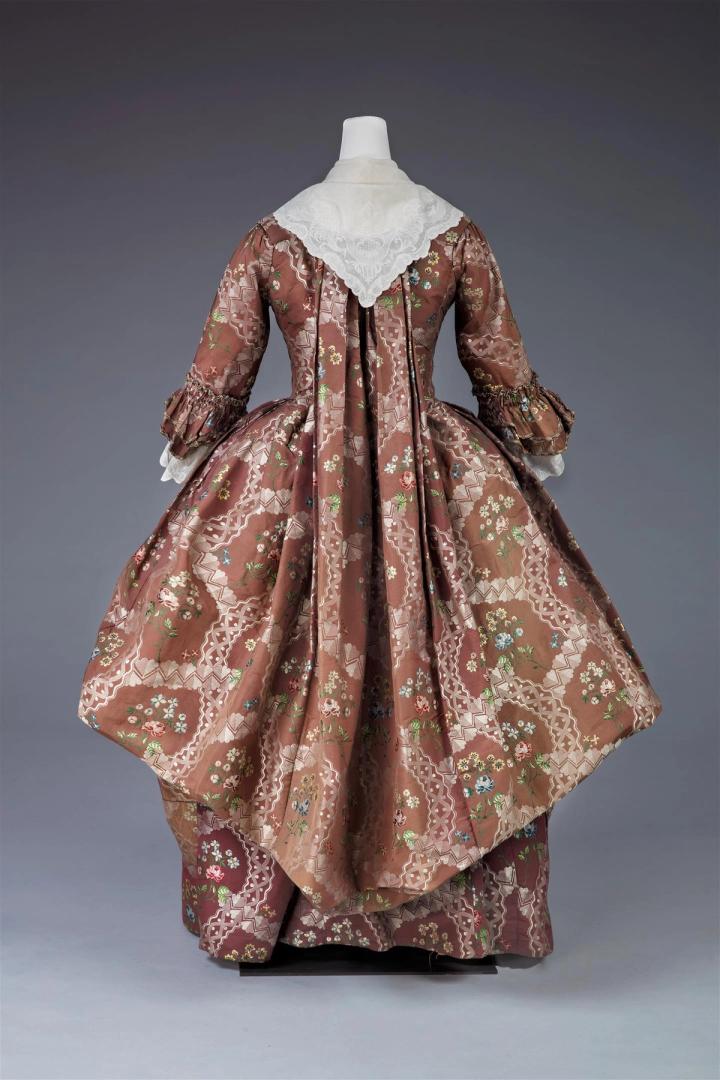
For centuries, corsets, hoop skirts and tight dresses shaped the female body according to an ideal largely tailored to the male gaze.
This style restricted freedom of movement and reinforced social norms around femininity and obedience.

Corsets and heavy skirts provided support, while at the same time subtly reflecting unequal power dynamics.
As women fought for access to education, employment, and the right to vote in the 19th and 20th centuries, fashion changed too. Clothing became looser and more practical, with tailored suits, shorter hemlines, and durable fabrics.
The new style of clothing symbolized independence and mobility, enabling a more active role in modern public life.
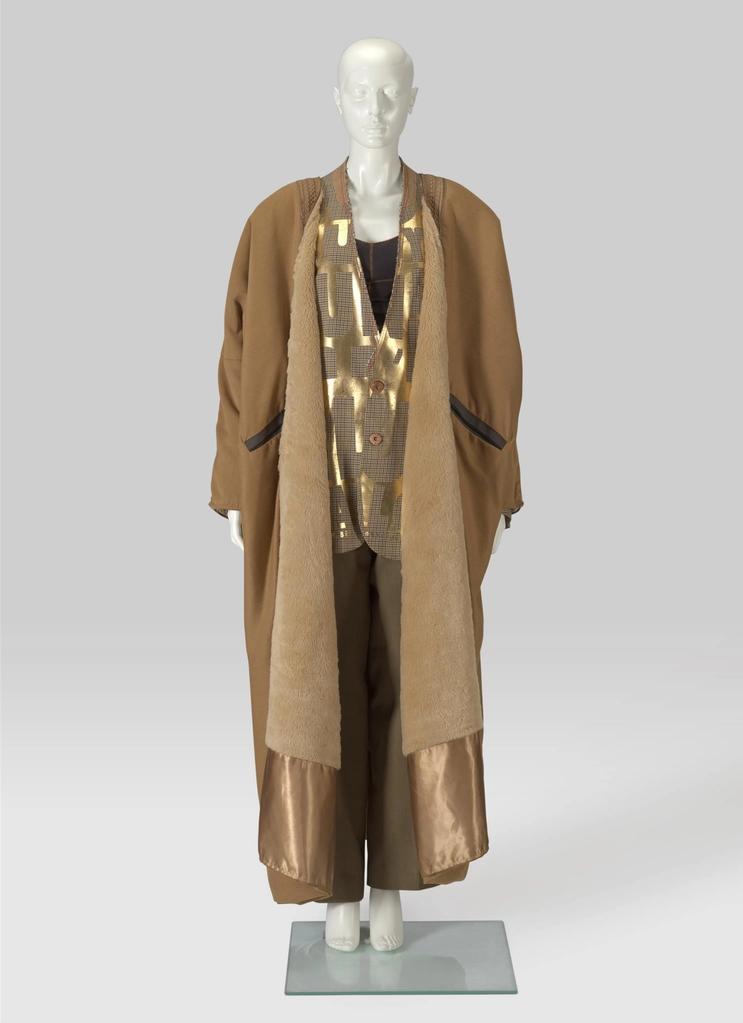
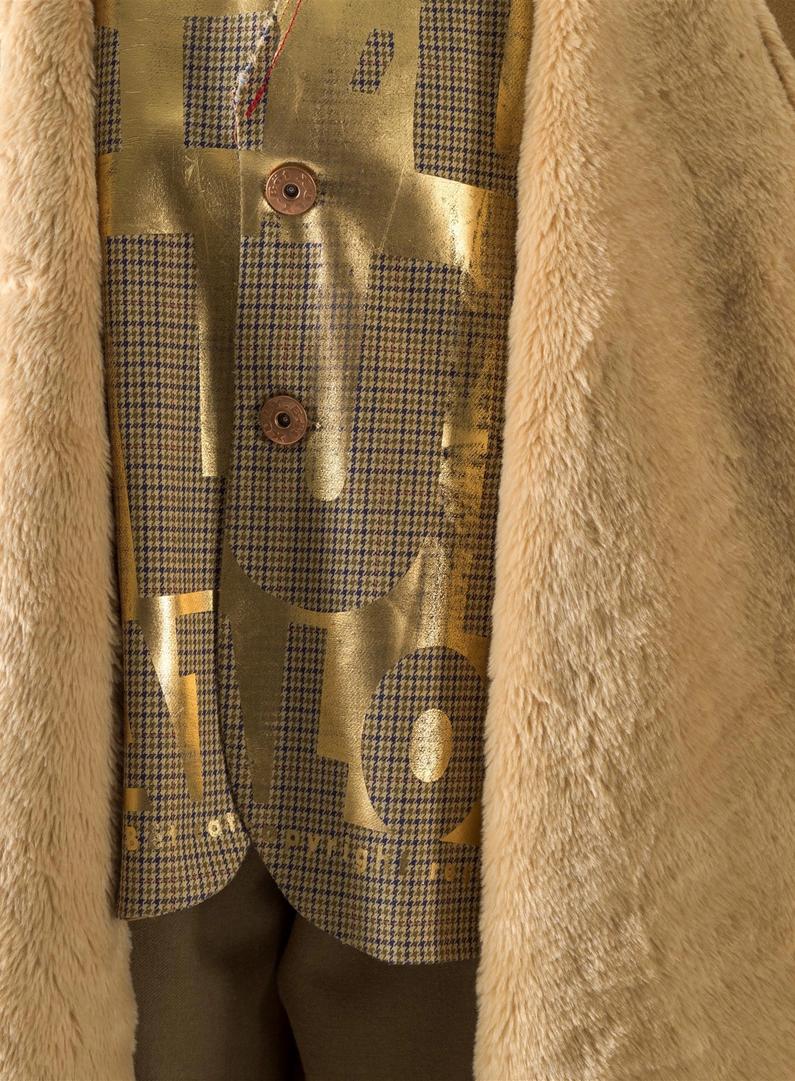
This design turns the logic of historical women’s clothing on its head. Restrictive corsets give way to a relaxed cut, an oversized jacket and menswear-inspired trousers.


Lamine Kouyaté’s designs for XULY.Bët combine sharp tailoring with recycled fabrics, linking freedom of movement with environmental awareness.

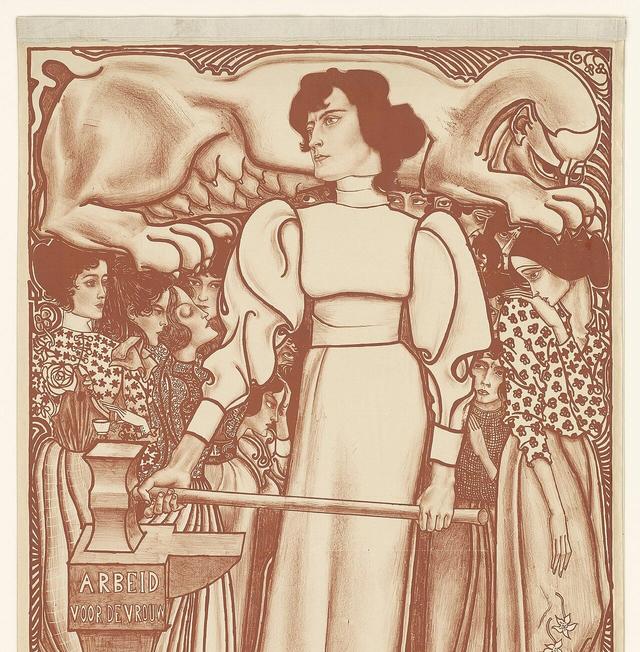
This groundbreaking exhibition advocated for social and legal equality.
Organized by women, including feminist Wilhelmina Drucker, it also drew attention to ideas about dress reform.
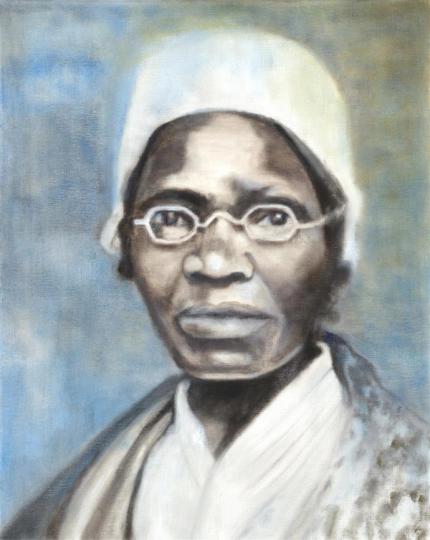
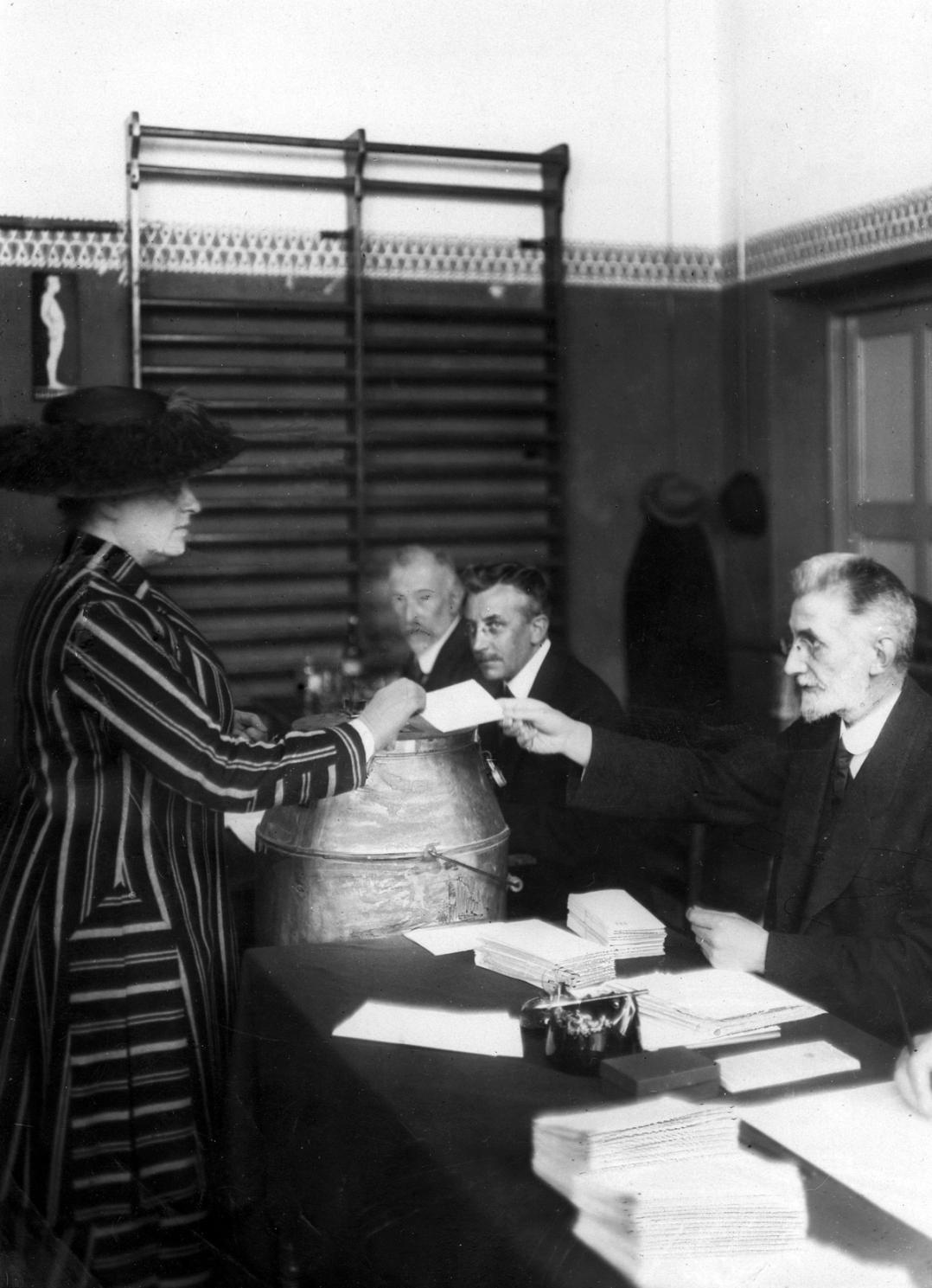
After decades of activism by icons such as Aletta Jacobs, women finally gained the right to vote. Their role in society changed forever. This historic breakthrough was also reflected in fashion: skirts became shorter and corsets disappeared.
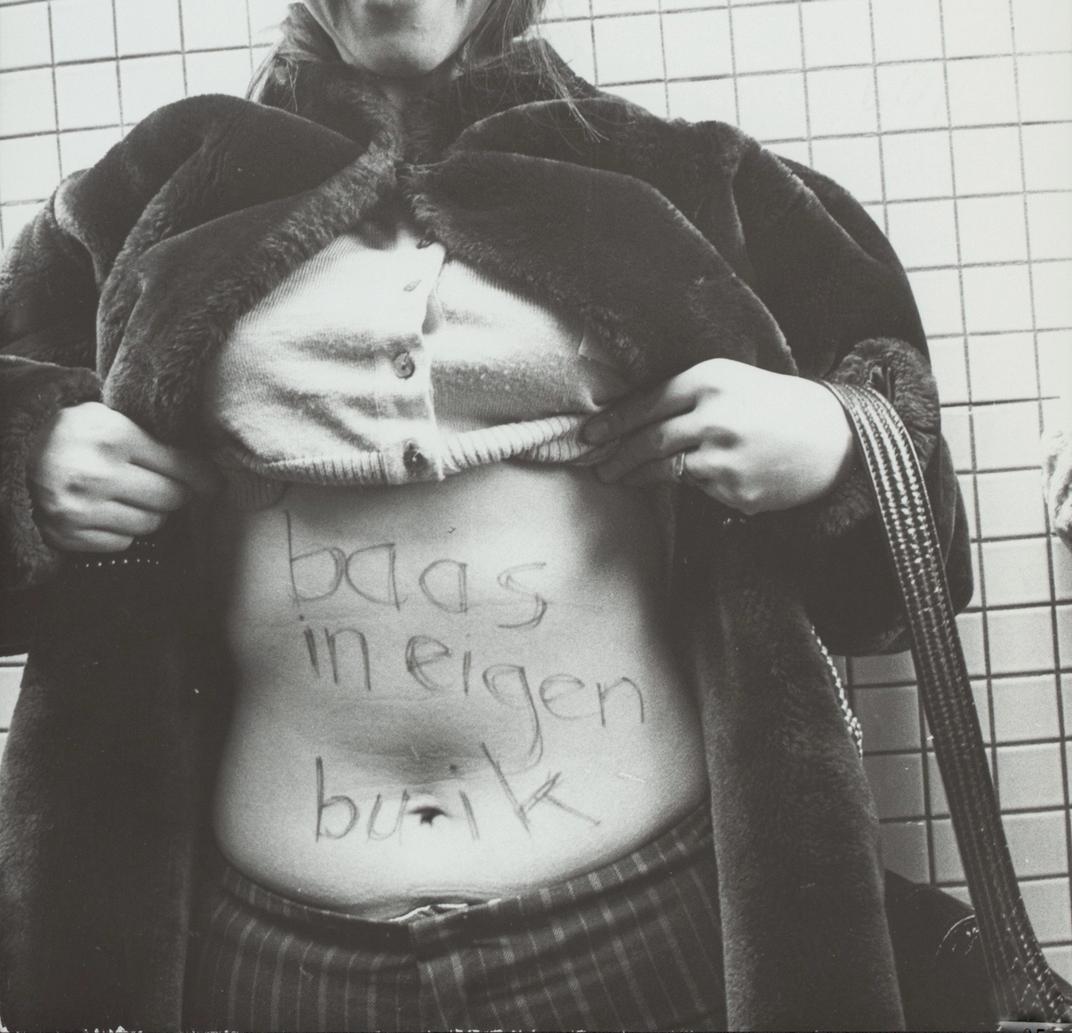
The feminist activist group Dolle Mina staged eye-catching protests for equal pay, bodily autonomy, and an end to gender discrimination.


The group is an inspiration to a new generation of feminists.