

Order or chaos
Many pieces of furniture are designed as a single cohesive whole. Tejo Remy’s cabinet does exactly the opposite: different drawers, shapes and signs of use come together in a single design.

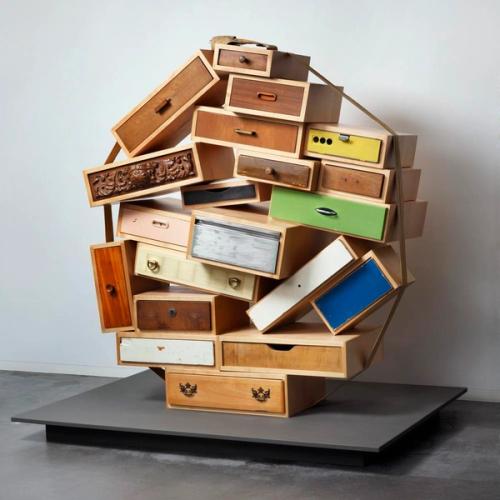
This cabinet is made from repurposed individual drawers. No two are alike. Each has its own signs of wear, scratches, and history.
Tejo Remy called this chest of drawers You Can't Lay Down Your Memories. For him, the cabinet is a metaphor for memory.
Some memories are easy to retrieve, while others become hidden or fade into the background. According to an ancient memory technique, you can remember events better by associating them with a place.
That is also how Remy’s cabinet works. The cabinet is made up of second-hand drawers, each with its own shape, history, and identity.
By bringing these separate components together, a new whole emerges. In doing so, Remy shows that design does not always begin with new materials. Each version of the cabinet is different, carrying with it new stories, memories and traces of use.
Many pieces of furniture are designed as a single cohesive whole. Tejo Remy’s cabinet does exactly the opposite: different drawers, shapes and signs of use come together in a single design.

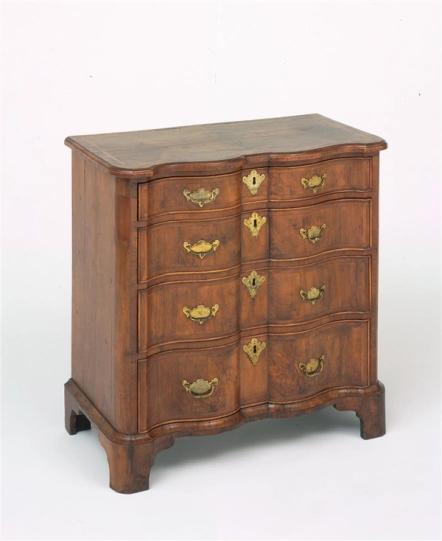

Why does this chest of drawers resemble memory? Designer Tejo Remy explains.

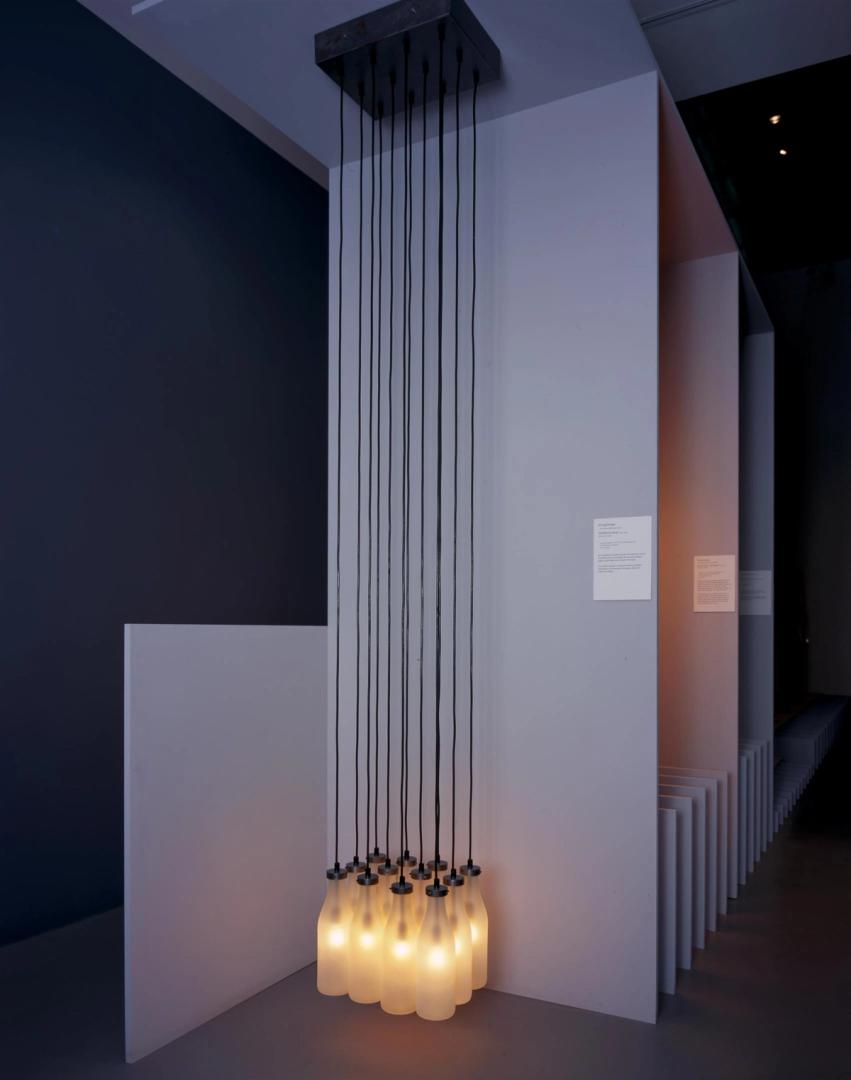
Tejo Remy is one of the designers associated with Droog Design, a Dutch design collective known for its surprising designs made from everyday materials. The designs are often simple, playful and slightly unconventional. Like this lamp, made from used milk bottles.
Conservator Pao Lien Djie on Tejo Remy’s chest of drawers
Hi, my name is Pao Lien Djie. I'm acting curator for Applied arts and Design at Centraal Museum
This cabinet by Utrecht-based designer Tejo Remy is a true design classic.
It consists of a collection of used drawers held together by a tension strap. The user can stack the drawers in any desired configuration and bind them with the strap, optionally adding personal items like a crate of wine or a TV.
The drawers retain their storage function, yet here they are experienced as completely new and different. By reusing materials, the life cycle of existing objects is extended and the amount of waste reduced. This cabinet invites us to look at objects differently: discarded items can regain value if we open ourselves to new possibilities.


