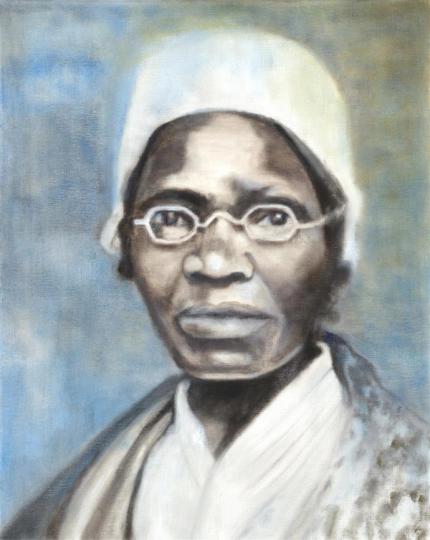
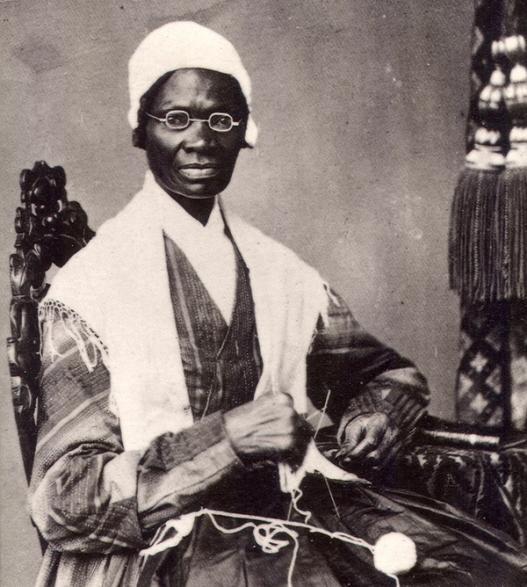
Sojourner Truth (ca. 1797–1883) was a Black woman born in the state of New York. Until the age of nine, she was the property of a slaveholder. After gaining her freedom, she became a powerful speaker. She fought for the abolition of slavery and for women’s rights, highlighting how Black women were often excluded from both movements.
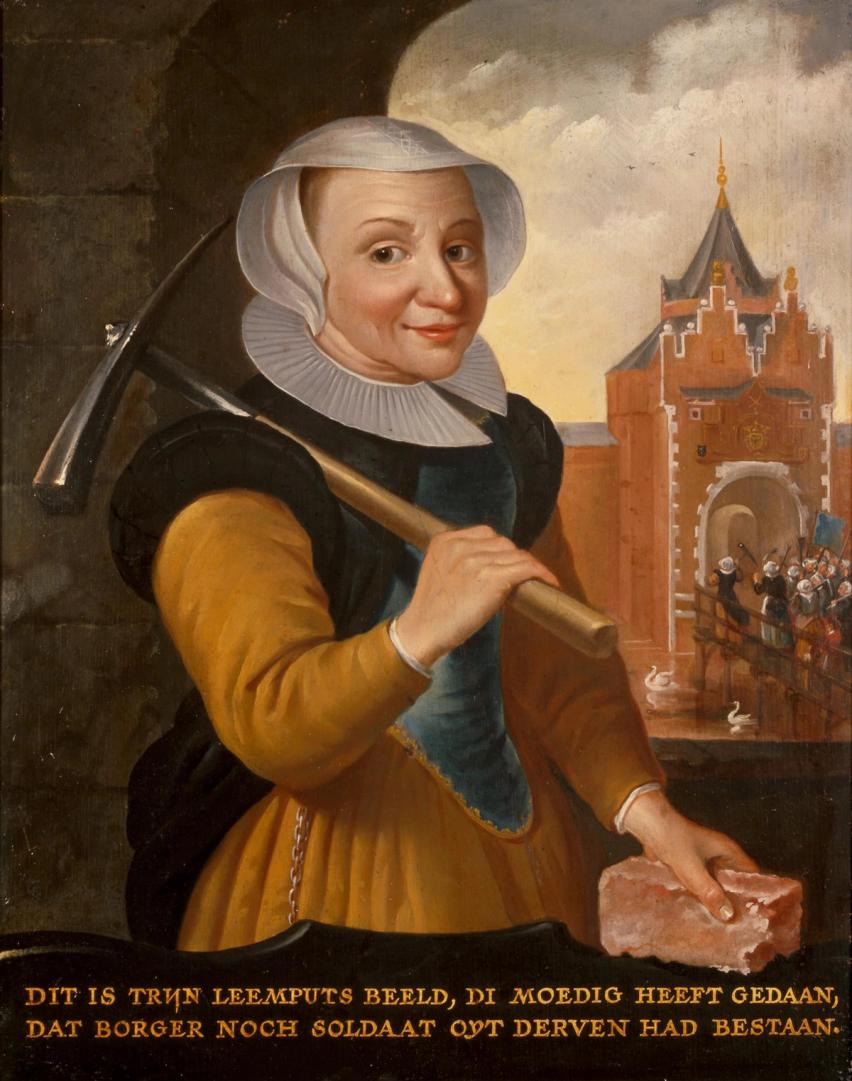
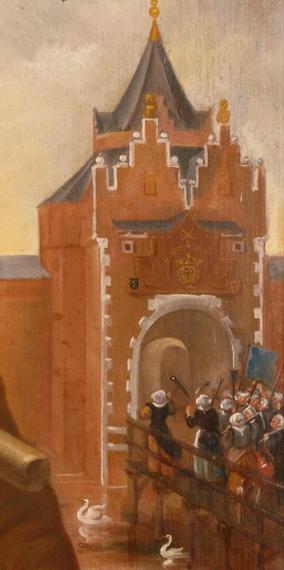
Sojourner Truth was not the only woman to speak out against inequality. Closer to home, women were also taking action: for example, in Utrecht in 1577, when residents drove the hated soldiers of Philip II of Spain out of Vredenburg Castle.
The people of Utrecht tore down the fortress immediately, but the city council hesitated. Led by Trijn van Leemput, a large group of women took matters into their own hands and began the demolition.


Together, they tore down Vredenburg Castle, stone by stone. Trijn van Leemput proved that resistance does not end when the battle is over — it begins with reclaiming your freedom.
“The female body is not a given. It is contested terrain.”


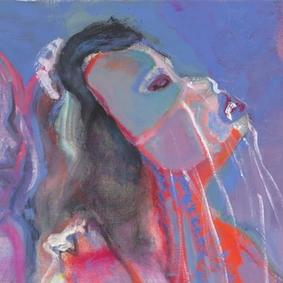
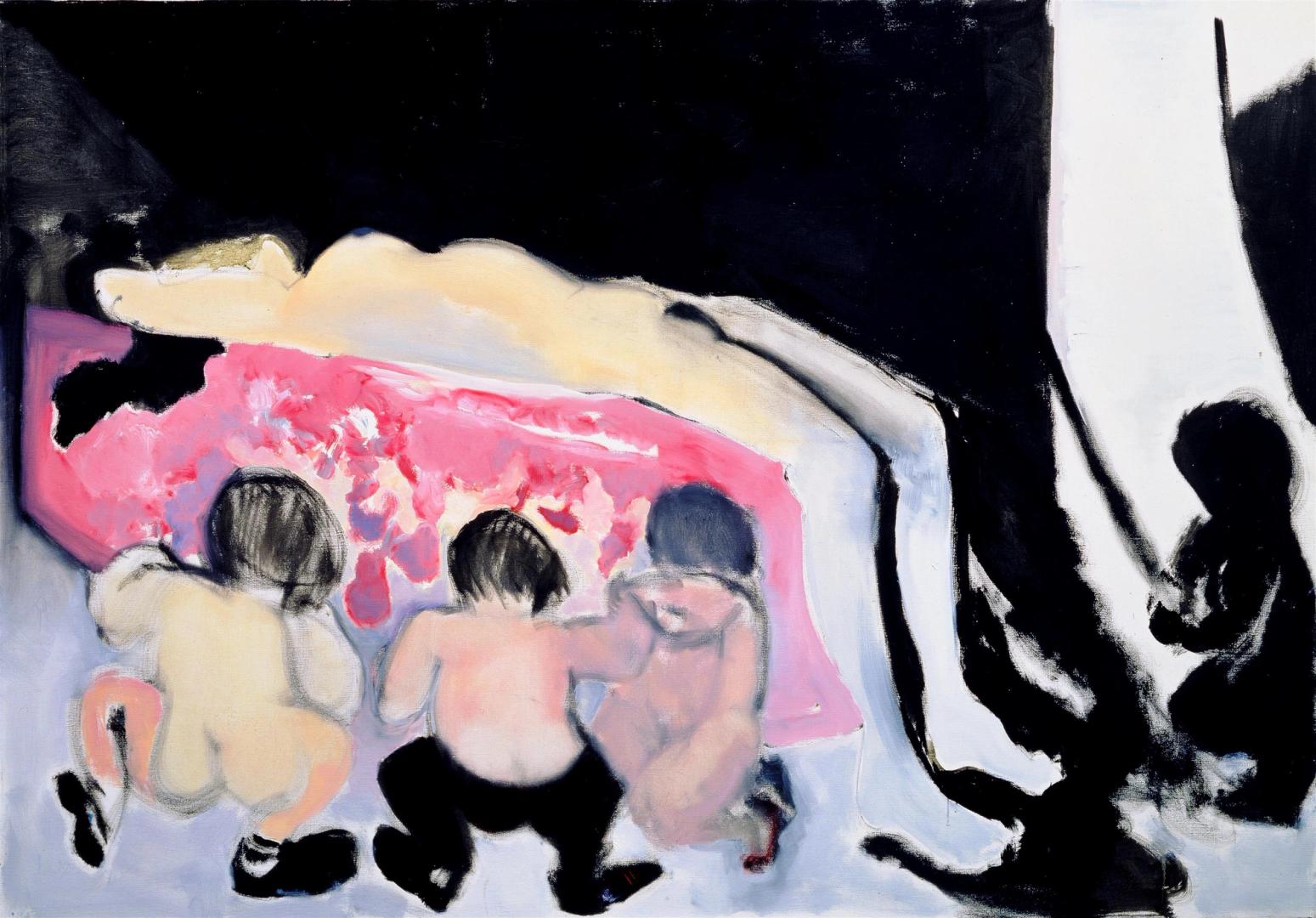
Marlene Dumas portrays women in a way that is often overlooked: raw, vulnerable, yet powerful. Her work challenges ideas about the body, sexuality and identity, confronting the viewer with the complex reality of being a woman in a world rife with inequality.

The ‘New Generation’ surrounding this Snow White—the reclining nude woman—has little in common with the innocent seven dwarfs from the fairy tale. With this painting, Marlene Dumas calls into question the tradition of the female nude as depicted by male artists.