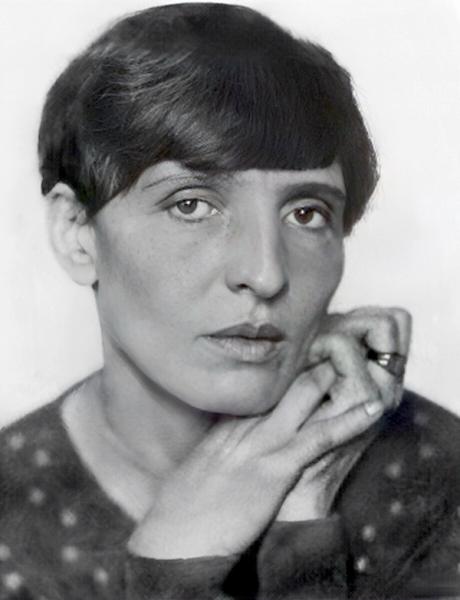
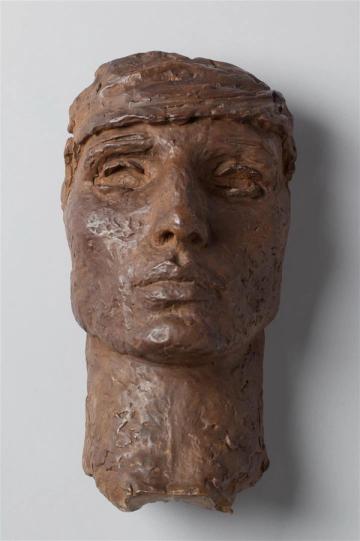
In this 1923 self-portrait, Sintenis presents herself in a way that was considered strikingly androgynous or masculine at the time: with a defined jawline, a prominent nose, and full lips.

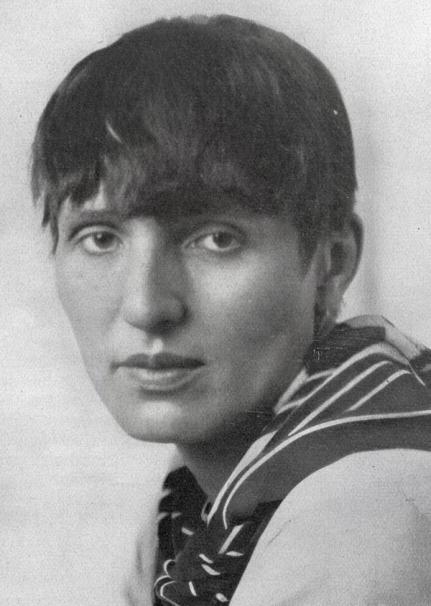
In 1920s Berlin — during the Weimar Republic, Germany’s democratic period between 1918 and 1933 — a new generation of women emerged: the Neue Frau, independent, visible and freer than ever. Renée Sintenis became one of their leading figures.
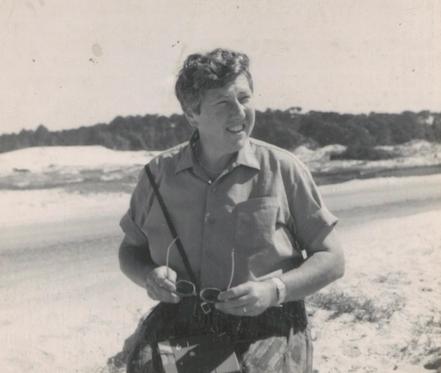
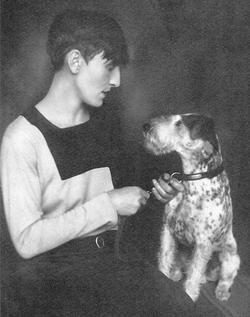
With her short hair, tailored jackets and height of 1.80 metres, Sintenis stood out wherever she went. It is no surprise, then, that she was one of the most photographed women of her time.

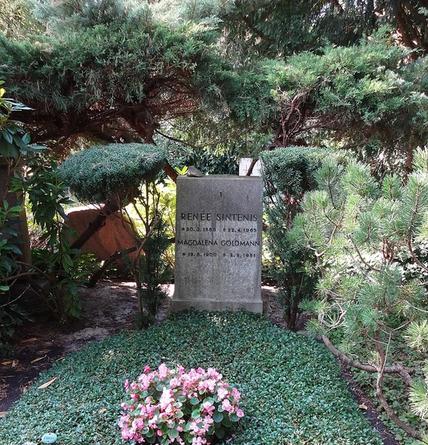
Within queer circles, Sintenis felt free. Sintenis lived with a woman, Magdalena Goldmann, at a time when same-sex marriage was not yet legal. Goldmann was officially her housekeeper, but probably also her partner.
When Sintenis died in 1965, Goldmann inherited all her property, a rare form of recognition of the life they shared.
They were buried together at the Waldfriedhof in Berlin-Dahlem.

In 1947, an art historian compared Sintenis' work to that of men. Her success was presented as exceptional, for a woman.
What was considered the work of a 'Neue Frau' in her time was later judged by male standards.
This is how gender norms also influence the way history remembers artists.