“In three respects, I am an outsider: in my sexuality; because of my geographical and cultural uprooting; and because I did not become who my parents might have imagined me to be: a respectably married professional... From such a position, it feels as though I have hardly anything to lose.”

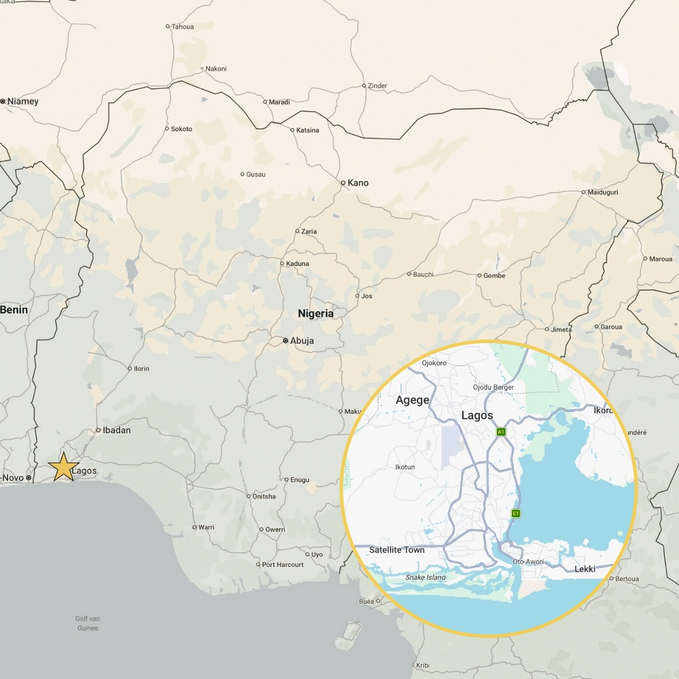
Fani-Kayode was born into an aristocratic Yoruba family in Lagos, Nigeria. The Yoruba are a West African ethnic group with their own language and religion.

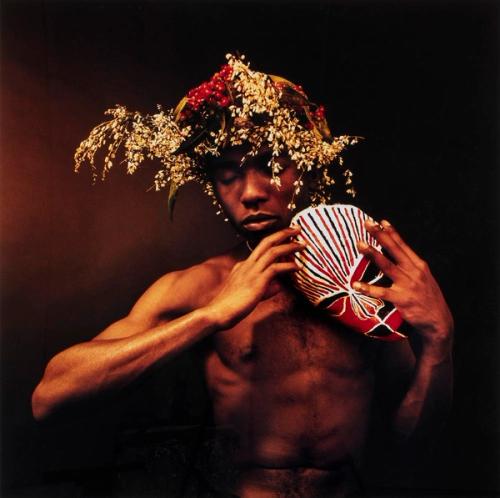
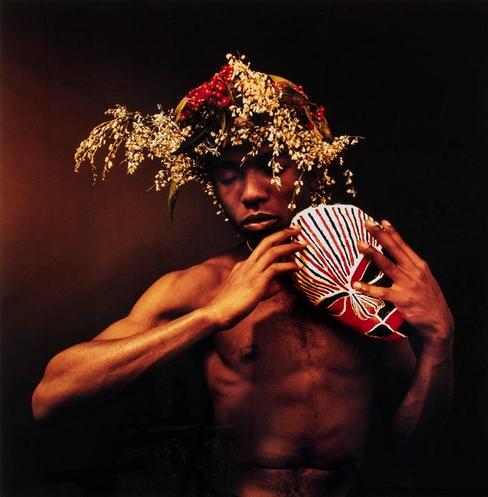
Adebiyi was Rotimi’s second name: it means ‘royal’. In this work, he used a flower crown and a traditional mask to reveal his connection to Yoruba religion and culture.

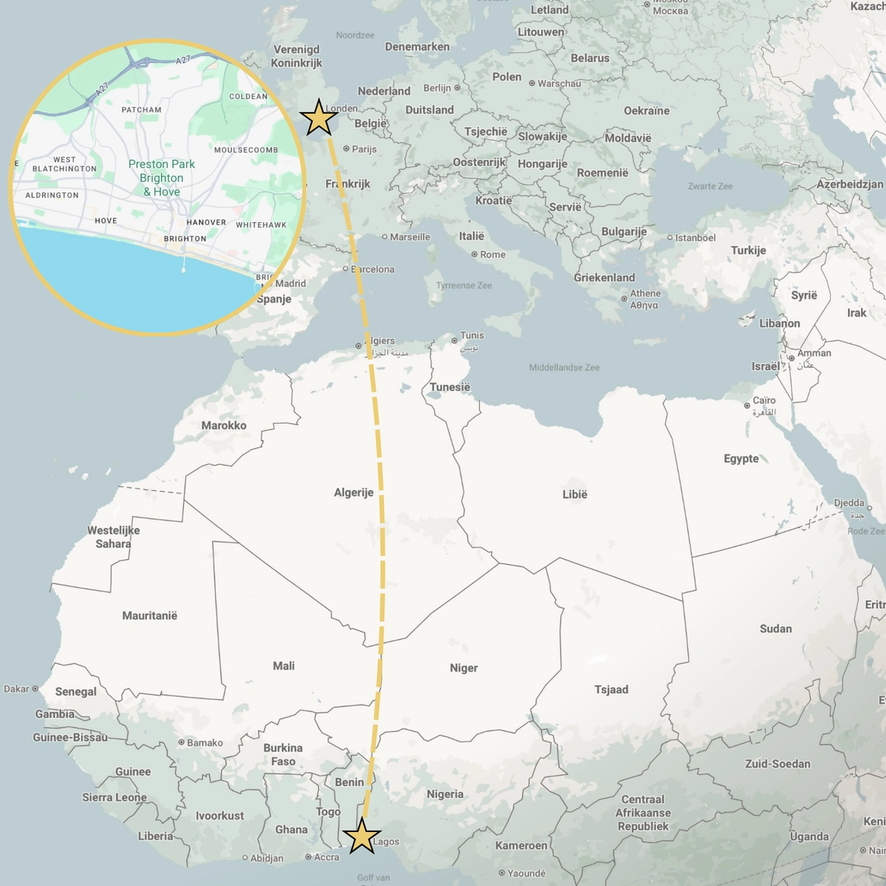
His family fled due to political unrest in Nigeria.


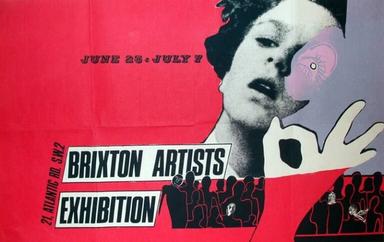
Back in England, Rotimi joined the activist and progressive Brixton Artists Collective.


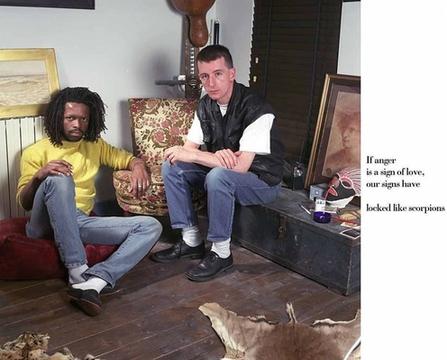
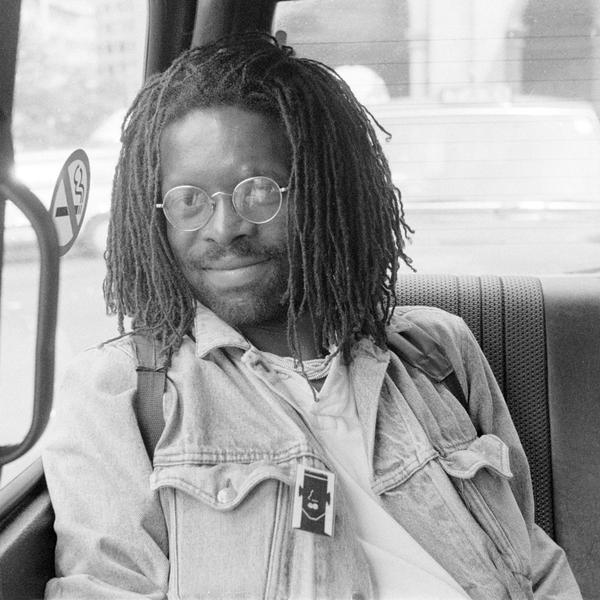
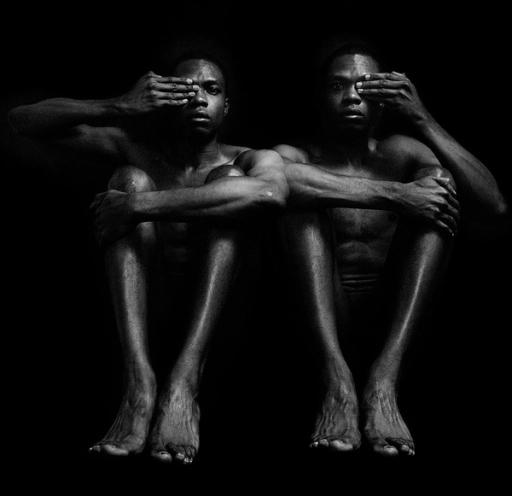
The two photographers met in 1983, probably at a Collective gathering. They began a relationship and collaborated on much of Fani-Kayode’s best-known work.


Fani-Kayode was one of the founders of Autograph (Association of Black Photographers), which continues to support artists of colour.

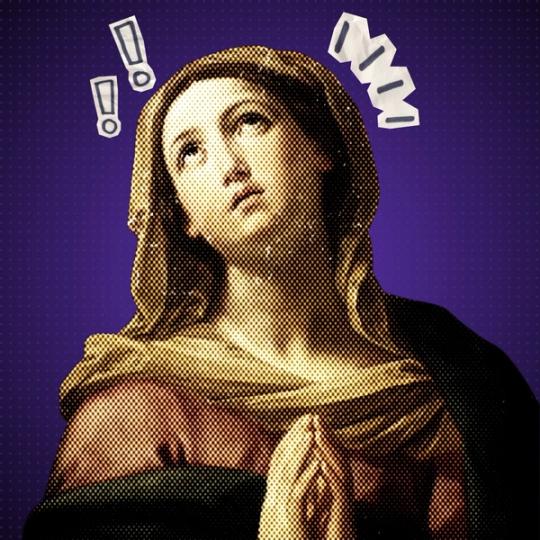
In this work, he combined Christian and Yoruba imagery with his Nigerian roots and queer identity.


Fani-Kayode died from complications related to HIV/AIDS in 1989. He left behind a body of work that remains highly influential to this day.

“As an African working with a Western medium, I try to make spiritual dimensions visible in my photographs, so that ideas about what ‘reality’ is begin to blur and become open to new interpretations. This calls for what Yoruba priests and artists refer to as a technique of ecstasy.”