History of the Centraal Museum
The Centraal Museum has a history dating back to 1838. Since then, it has grown from a collection of art objects into a museum at the heart of society. The building itself is part of that story: a place where different eras and functions come together.
In 1830, Utrecht is a city on the move. A high birth rate is causing the population to grow rapidly, making the area within the old city walls increasingly crowded.
From that year onward, the city walls, gates and fortifications are demolished to make way for a beautiful green park, bringing more light and air into the city. And to give shipping plenty of room, a new harbour is built: the Nieuwekade.
A little further along, on the Oudegracht, a few rooms on the upper floor of the new city hall are being converted into a municipal museum. It marks the humble beginnings of today’s Centraal Museum.
View the brief timeline below or read the full history
Development of the Centraal Museum

Opening of the Municipal Museum of Antiquities
On September 5, 1838, the Municipal Museum of Antiquities officially opens in the town hall. Residents aged fourteen and over can visit on Wednesday afternoons for a quarter of a guilder.

From monastery to museum
The city's collection is merged with several private collections and housed in a single 'central' museum in the former convent on Agnietenstraat: the Centraal Museum.

The Ship Is Found
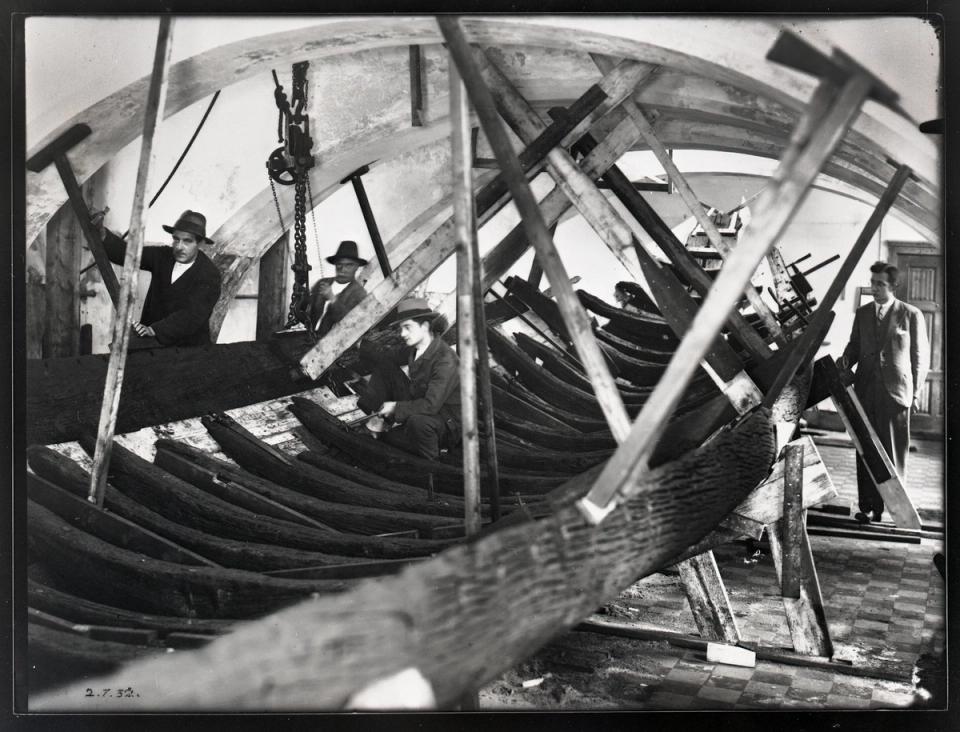
The ‘Utrecht ship’, dating from the early Middle Ages, is discovered on Van Hoornekade in Utrecht and remains one of our (smelly) icons to this day. To accommodate the ship, a wall beneath the dining hall has to be temporarily removed.

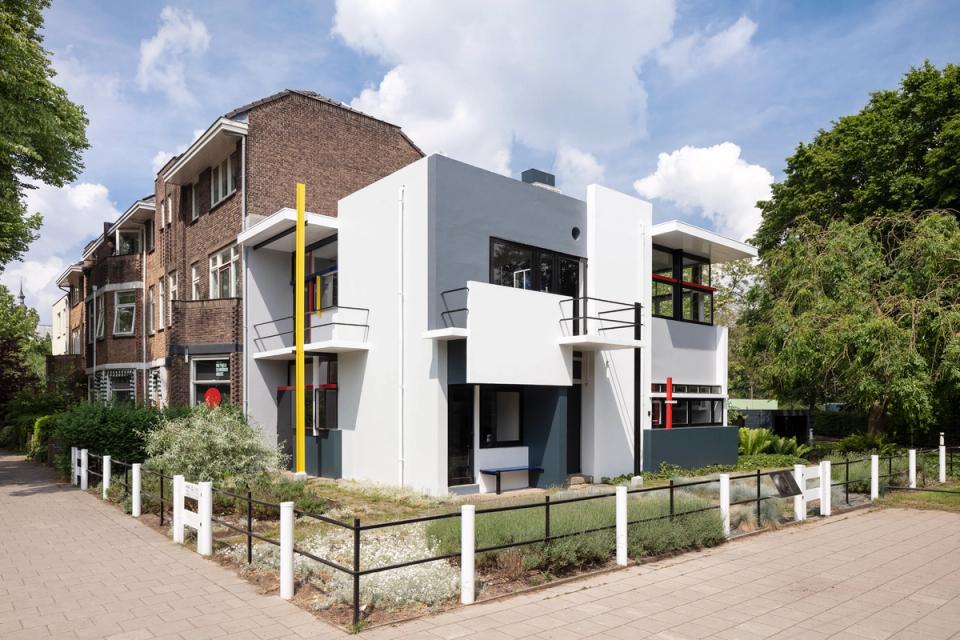
Rietveld Schröder House managed by the Centraal Museum Foundation
After Truus Schröder’s death in 1985, the house designed by Gerrit Rietveld passed into the hands of the Rietveld Schröder House Foundation, which, following its restoration, entrusted its management to the Centraal Museum.

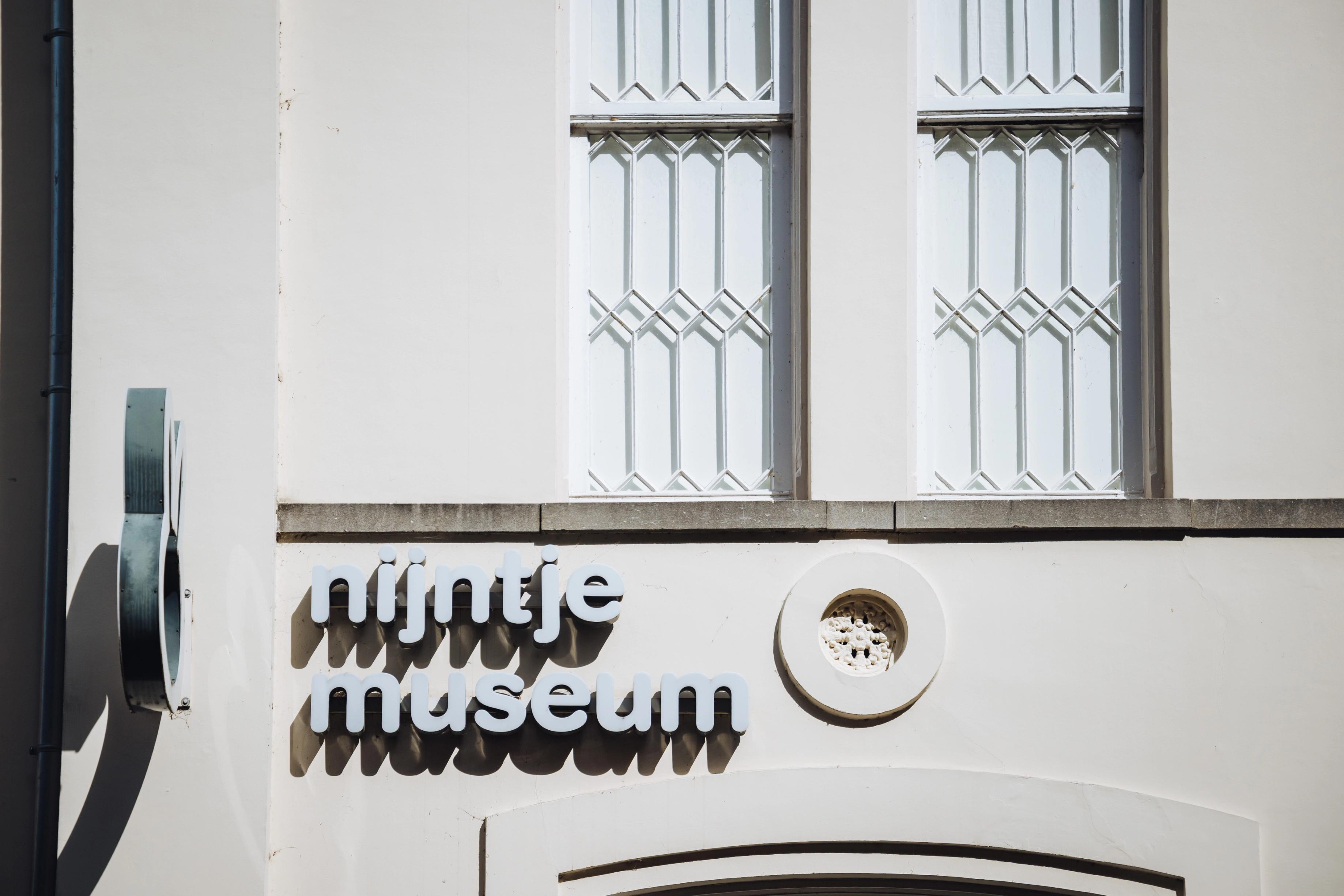
Opening of the dick bruna huis
The dick bruna house focuses on Bruna's children's books and graphic work.

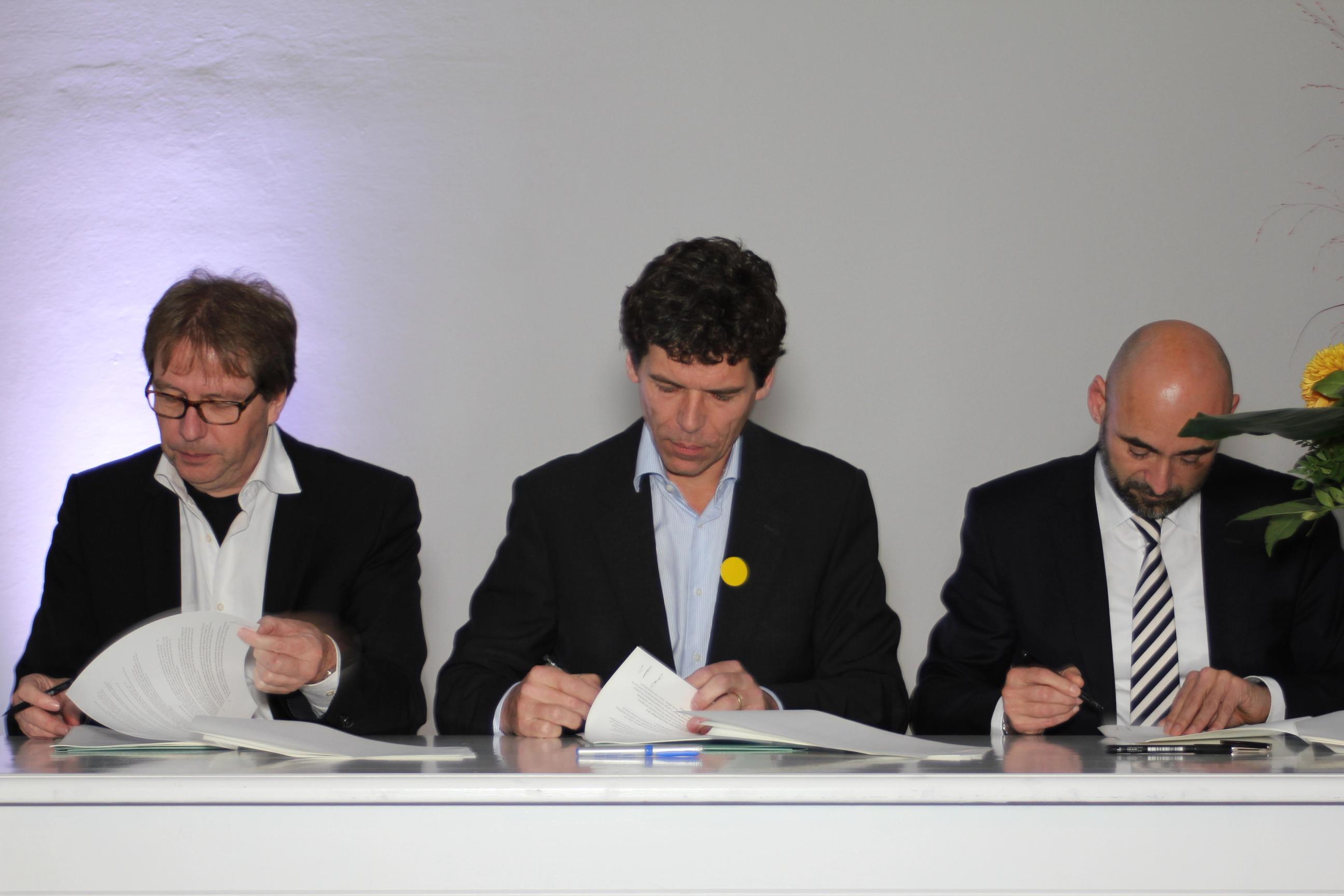
Independence
The museum will continue as an independent museum. The building and the collection will remain the property of the municipality.


Renovated museum after refurbishment
After the renovation, this glass bridge connects the Stables to the Foyer (then still known as the Refectory).

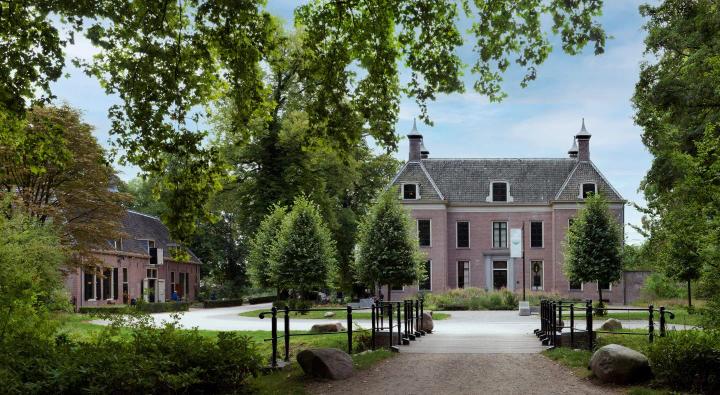
Oud Amelisweerd Country House
From 2022 through 2027, the Centraal Museum is a guest at the Oud Amelisweerd country estate.

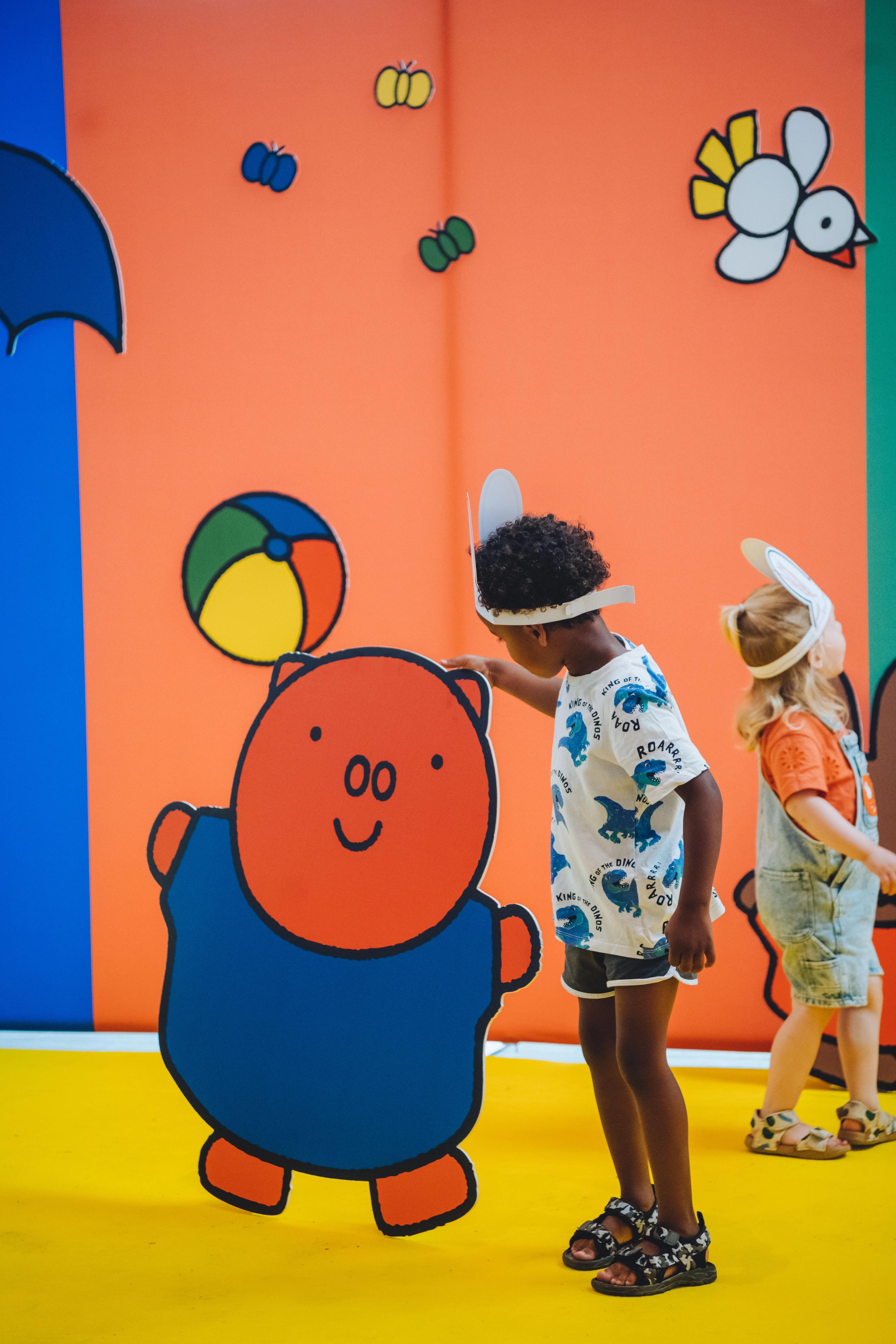
Opening of the renovated Miffy Museum
The museum has nearly doubled in size and now features a museum café, a 360-degree projection room, and new themed spaces.


Opening of the Central Collection
The new presentation follows a set route with a clear beginning and end. All the subcollections are featured.
1830: Mayor Van Asch van Wijk
As an avid amateur historian, Mayor H.M.A.J. van Asch van Wijck ensures that the new city hall includes a museum—a place for the many historical artefacts collected by the municipality that relate to the city of Utrecht. Exhibiting them also provides a good opportunity to examine and catalogue everything properly.
1838: opening of the Municipal Museum of Antiquities
On 5 September 1838, the Municipal Museum of Antiquities officially opens in the town hall. Residents aged fourteen and over can visit on Wednesday afternoons for a quarter of a guilder.
There is all manner of things to see, such as ‘Old Prints and Other Antiquities, Drawings and Paintings’, all of which ‘relate to the City of Utrecht’. Remarkably, men are required to purchase the accompanying catalogue, while women are not.
1874 – City Archivist Muller collects for the Museum of Antiquities
After the death of Mayor Van Asch van Wijck in 1843, hardly anything else is collected until city archivist S. Muller picks up the thread again in 1874. Four years later, he publishes a new catalogue for the ‘Museum of Antiquities’, as the museum has since come to be known. By then, the collection already comprises more than two thousand objects.
1891 – Hoogeland Country Estate
In 1887, Utrecht city council member A.C.J. van Eelde proposes purchasing the Hoogeland country estate near Biltstraat. The council approves the proposal by 15 votes to 9.
Not everyone is happy with this decision. Around a thousand people sign a petition to stop the sale. Threatening letters are even written, telling Van Eelde that there are ‘loaded guns waiting for him’.
It is not until November 1891 that it is announced that the country house will become a museum; the antiquities are moved to Hoogeland. Annual visitor numbers at the museum rise from 2,000 to 20,000.
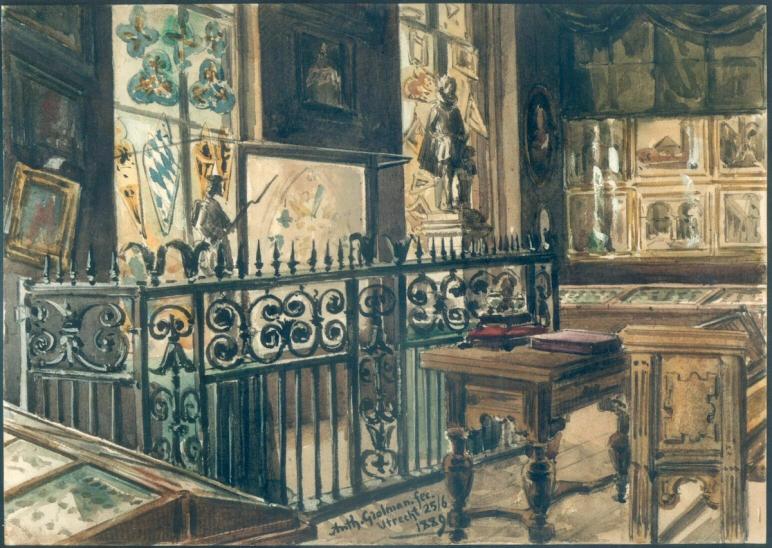
In 1889, Anthony Grolman was commissioned by W.H. Baron Taets van Amerongen to create 24 watercolours documenting the museum collection before it was moved to Het Hoogeland. Three of them are shown below.
1921 – Centraal Museum Utrecht in the former St Agnes Convent
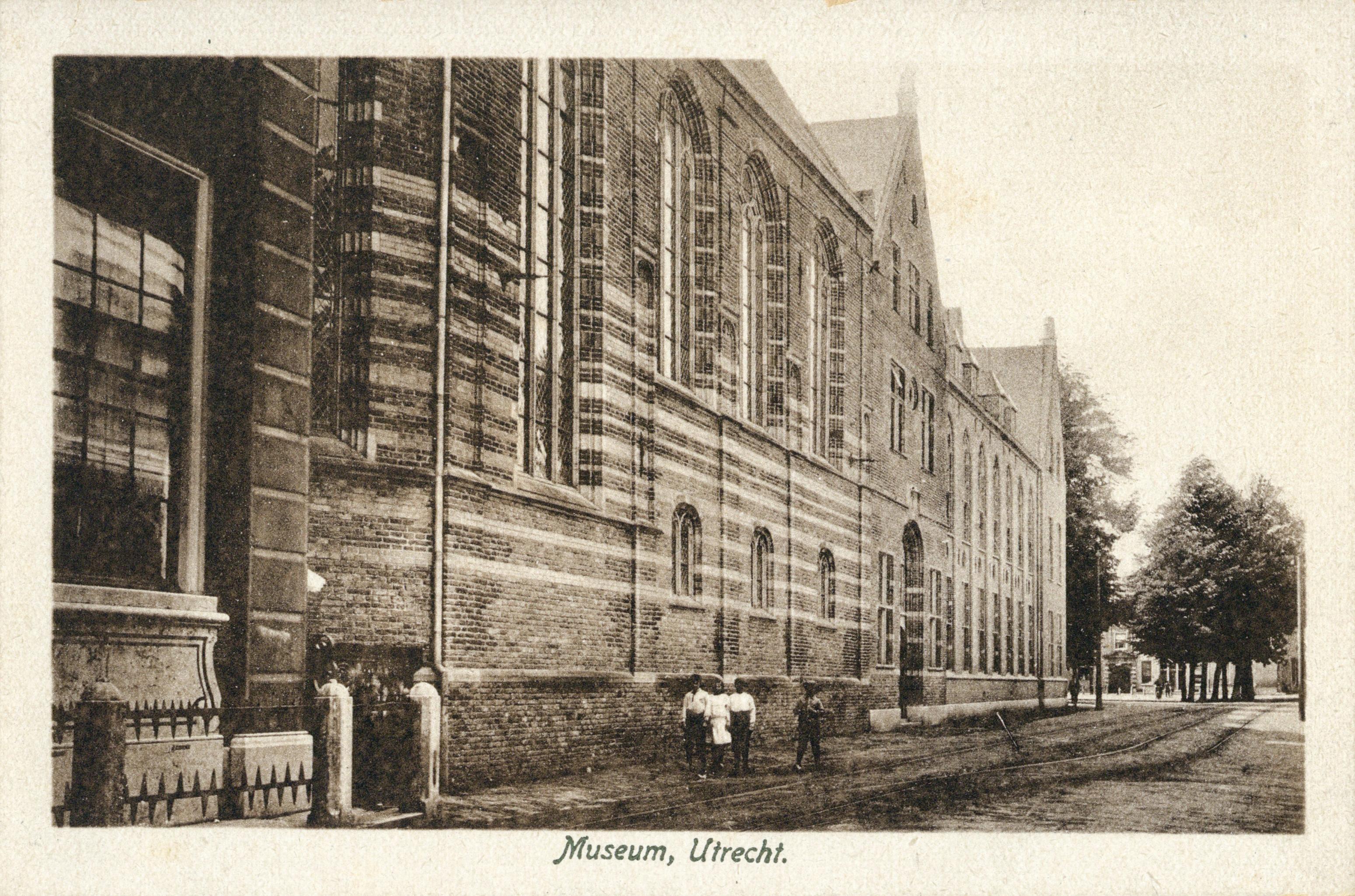
Thirty years later, the city's collection is merged with several private collections and housed in a single 'central' museum in the former convent on Agnietenstraat. This marks the birth of the ‘Centraal Museum’ at this location: a place where Utrecht's history and art come together.
Paintings can be found on the upper floor, while the attic houses the collection we now refer to as urban history, and period rooms have been created downstairs in the new wing. Sculptures are also on display in the dining room, and Roman and Germanic objects in the former kitchen.
Since its opening in 1921, the Centraal Museum has also displayed the collections of the Kunstliefde society, the Archiepiscopal Museum and the Utrecht Museum of Decorative Arts.
Interior of a period room at the Centraal Museum (Agnietenstraat 1) in Utrecht: Louis XIV room with the dollhouse.
1930 – Utrecht Icons: the Ship
Over the years, the museum acquires various Utrecht icons. One such icon is the 'Utrecht ship', discovered in 1930 on Van Hoornekade in Utrecht. It measures 17.8 by 3.8 metres, and its hull is made from a hollowed-out oak tree. Tree-ring analysis has shown that the ship was built between 997 and 1027. To install the ship, a wall beneath the foyer has to be temporarily removed.
1985 – Rietveld Schröder House
In 1970, Truus Schröder establishes the Rietveld Schröder House Foundation to safeguard the future of the house. After her death in 1985, the house is thoroughly restored, and the foundation entrusts its management to the Centraal Museum. The Utrecht museum thus becomes responsible for opening the museum house to the public and preserving the house and its archive. The Rietveld Schröder House has been open to the public since 1987.
2006 – Opening of the dick bruna huis
On 18 February 2006, the doors of the dick bruna huis will open, directly opposite the Centraal Museum. It is an annex of the museum. The focus is on Dick Bruna’s work: his children’s books and graphic designs.
2013 – Independence
In 2013, the museum became an independent organisation. The building and collection remained the property of the municipality. Two years later, the dick bruna huis and Centraal Museum underwent extensive renovations. The entrance to the Centraal Museum was moved to Agnietenstraat. The dick bruna huis reopened as the nijntje museum.
2016 - Renovated museum after refurbishment
Following the opening in 2016, visitor numbers doubled. The museum is looking to the future with improvements including a better visitor route and reception desk, as well as a shop and information centre on the site of the former chapel in the monastery.
In the old monastery building, visitors could wander to their hearts’ content and enjoy many highlights, such as the 17th-century doll’s house and the ship. Exhibitions are regularly held in the Stables. The Refectory (now the Foyer) literally forms a bridge between the two buildings.
2022 - Oud Amelisweerd Country House
From 2022 through 2027, the Centraal Museum will be a guest at the Oud Amelisweerd country estate. For six years, from spring through autumn, this magnificent historic estate will provide the setting for a solo exhibition by a renowned contemporary Dutch artist. The programme is a partner project of the Hartwig Art Foundation.
This programme strand centres on artistic practice. Artists are given the opportunity to present existing or new work in relation to the historic setting of this magnificent country estate. The interplay between contemporary art, heritage and landscape is a key point of departure.
2023 - Opening of the new Miffy Museum
The original Miffy Museum, which opened in 2016, proved hugely popular and soon became too small for the more than 175,000 visitors it welcomed each year. It was therefore decided to expand the historic building on Agnietenstraat in Utrecht with a modern extension.
In June 2023, the new Miffy Museum will open its doors. Following the renovation, the museum has almost doubled in size and now features a Miffy Museum café, a 360-degree projection room and new themed spaces.
2023 - Opening of the Collection Centre
On 16 December 2023, the Centraal Museum’s new permanent collection display will open. The revamped presentation features a diverse collection of art and objects by makers from the past and present. More than 400 objects showcase every part of the collection: old, modern and contemporary art, fashion, design and urban history. Collectie Centraal features dozens of recent acquisitions that have never been shown before
What is new about the presentation is the way the artworks are displayed: there is now a fixed route with a clear beginning and end, designed by Lies Willers and Bureau Caspar Conijn. Collection Centraal is essentially chronological, while also allowing room for contemporary interventions.